
The traditional software engineering landscape is undergoing a metamorphosis where the meticulous craftsmanship of human-written code is being rapidly superseded by automated generation at a scale previously thought impossible for modern enterprise systems. This shift has forced global DevOps teams to move away from manual scripting toward a model where engineers primarily act as orchestrators of artificial intelligence. As organizations integrate these tools, observability platforms have become essential to centralize the management of disparate computing resources.
Major players in the AI coding assistant market have pushed development speeds to unprecedented levels, yet this rapid expansion brings a risk of platform fragmentation. To maintain organizational flexibility, engineering leaders are prioritizing the normalization of data across diverse AI providers to prevent vendor lock-in. A centralized framework allows teams to evaluate performance objectively, ensuring that the transition into a machine-assisted era does not compromise the underlying architecture of long-term projects.
Decoding the Surge of AI Adoption and Performance Metrics
The current market is defined by a massive surge in the adoption of automated tools that now generate or refactor more than half of the weekly code in most modern organizations. This trend is driven by the urgent need for engineering efficiency and the ability to process complex technical requirements at lightning speed. Consequently, the role of telemetry systems has shifted from a luxury to a fundamental requirement for tracking the volume of automated contributions.
The Rise of Vibe Coding and Automated Software Development
The industry has seen the rise of vibe coding, a term describing a development flow where speed and high-level prompting dictate the rhythm of creation. This emerging behavior reflects a broader market driver where the sheer volume of code produced now exceeds human capacity for manual review. Today, most organizations report that automated tools are a staple in nearly ninety percent of their workflows, signaling a permanent change in developer expectations.
This widespread adoption is fueled by the demand for rapid iteration in a hyper-competitive digital economy. However, the reliance on high-level prompts can lead to a disconnect between developer intent and the actual technical execution of the software. As this trend matures, the focus has shifted from the novelty of generation toward the necessity of maintaining a coherent narrative within the codebase.
Quantifying the Impact of AI on Code Production and Velocity
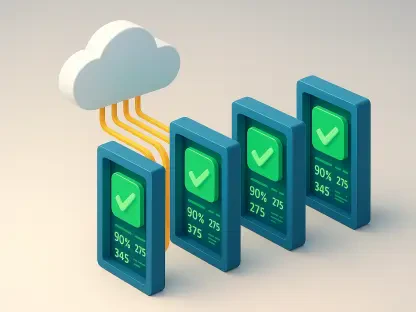
Performance indicators suggest a startling contrast between perception and reality, with initial confidence ratings in AI-generated code quality reaching nearly 94 percent. This optimism drives growth projections for code volume, which in turn increases the demand for sophisticated telemetry systems. Organizations must now track token usage and associated costs with the same rigor previously reserved for cloud infrastructure spending.
The velocity of production has outpaced the development of traditional monitoring tools, necessitating a move toward automated telemetry. As the volume of machine-written logic grows, the ability to visualize how these tokens translate into functional features becomes a critical business requirement. Tracking these metrics ensures that the efficiency gains promised by AI are not erased by hidden operational overhead or uncontrolled resource consumption.
Navigating the Technical Debt and Reliability Crisis
A paradox has emerged within the engineering community where high initial trust exists alongside a concerning surge in production incidents. Over 80 percent of organizations have reported failures directly linked to automated code within the last six months, highlighting a critical reliability crisis. This discrepancy suggests that while the code may appear functional during review, it often fails under the stress of real-world environments.
Senior engineering staff are increasingly bogged down by the need to troubleshoot logic that they did not personally write, leading to substantial rework. This explanation gap occurs because AI-generated logic frequently lacks the transparency required for deep debugging or long-term maintenance. Without a clear understanding of why a specific block of code was created, teams struggle to resolve complex dependencies that emerge after deployment.
Governance and Accountability in an Automated SDLC
Emerging standards for AI observability are now focused on embedding logs, traces, and metrics directly into machine-generated output at the point of creation. This proactive approach aims to solve the visibility problem before the code ever reaches a production environment. By integrating telemetry into the prompts themselves, developers can ensure that automated code remains accountable to the broader system architecture and organizational standards.
However, the practice of shipping code directly to production without manual line-by-line verification introduces significant compliance and security risks. To mitigate these threats, organizations are turning toward open-source extensions that provide a transparent framework for monitoring AI resources. These tools establish a standardized method for auditing automated contributions, ensuring that governance remains a core component of the modern development pipeline.
Redefining the Software Development Lifecycle for an AI-First Future
The evolution of the software development lifecycle is moving away from the simple act of creation toward a focus on long-term operational resilience. Future frameworks will likely prioritize the health of the system over the speed of the initial commit, recognizing that unmonitored code is a liability. This transition is being accelerated by global economic pressures that demand higher engineering efficiency without sacrificing the stability of applications.
Market disruptors are already appearing in the form of autonomous agents capable of self-monitoring and self-healing production environments. These agents utilize real-time telemetry to identify and fix bugs before users encounter them, potentially closing the gap between AI ambition and execution. As these technologies mature, the role of the human engineer will continue to pivot toward high-level strategy and cost-control management.
Bridging the Gap Between AI Ambition and Engineering Excellence
The investigation into modern coding practices revealed a stark disparity between the perceived quality of automated tools and the actual increase in system failures. New Relic provided a potential stabilizer for the industry by offering the visibility necessary to manage the massive influx of automated code. It was observed that organizations which prioritized observability were better equipped to handle the complexities of machine-generated logic.
Strategic recommendations emphasized the need for a balanced approach that combined the velocity of AI with the rigorous standards of professional monitoring. Decision-makers were encouraged to implement automated telemetry to ensure that long-term maintenance did not become an insurmountable debt. The findings indicated that the successful integration of artificial intelligence depended on the ability to see and understand every line of code.
Future considerations were focused on the necessity of maintaining human oversight through automated governance frameworks. It was concluded that the industry must treat AI as a powerful but unpredictable collaborator that requires constant validation. Organizations that successfully bridged the reality gap were those that integrated deep observability into the very fabric of their automated development processes.