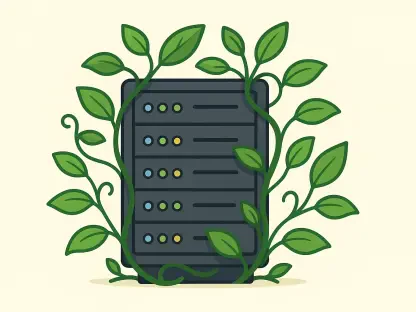

The current landscape of enterprise resource planning is frequently characterized by a phenomenon known as the fragility trap, where years of incremental customizations have rendered vital systems rigid and remarkably difficult to maintain effectively. Historically, many global organizations modified their SAP source code directly to accommodate specific local requirements, yet this approach inadvertently created a mountain of technical debt that now obstructs the path to rapid innovation. This accumulation of legacy code acts as a persistent barrier during modern upgrade cycles, as every minor change to the central system requires an exhaustive period of testing to ensure that critical business processes do not suffer unexpected failures. Moving toward a Clean Core discipline represents a strategic shift that enables businesses to escape this restrictive cycle, transforming their SAP environment from a legacy constraint into an agile foundation that supports modern cloud capabilities and advanced data analytics.
Breaking the Cycle of Technical Debt
The true cost of maintaining a heavily modified SAP environment often remains hidden until an organization begins the transition toward S/4HANA, where the sheer volume of legacy dependencies can stall even the most well-funded projects. When custom code is woven directly into the core engine of the ERP, every platform update becomes a high-stakes event that demands excessive resources just to achieve basic system stability before any new features can be explored. This cycle of maintenance-heavy operations prevents IT departments from focusing on strategic initiatives, as most of their bandwidth is consumed by ensuring that the existing customizations continue to function across different versions of the software. Leaders are beginning to recognize that over-customization serves as a significant barrier to long-term growth, necessitating a transition toward a more disciplined architectural approach that prioritizes standard functionality over unique, bespoke development projects to maintain a competitive edge.
Shifting the focus away from traditional customization requires a fundamental change in how enterprise software is governed, moving from a model of reactive patching to one of proactive standardization. By identifying and isolating the legacy debt that has accumulated over the past several years, organizations can begin to disentangle their unique business logic from the central software core, thereby reducing the complexity of future upgrades. This architectural separation ensures that the ERP remains flexible and capable of reacting to sudden market changes without the need for extensive redevelopment of foundational components. Furthermore, adopting a standardized core allows for a more predictable cost structure for IT operations, as the effort required for system maintenance becomes much more transparent and manageable over time. The transition is about establishing a new governance model that prevents the re-accumulation of technical debt while fostering an environment for continuous improvement and innovation.
Implementing a Stable Foundation for Intelligence
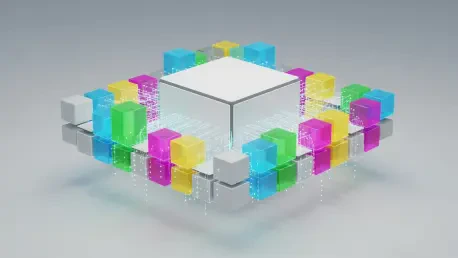
The core philosophy behind the Clean Core discipline involves maintaining a pristine central engine while migrating unique business logic and custom extensions to the “edge” of the system. Utilizing specialized methodologies like DXC Fast RISE with SAP further compresses migration timelines to under twelve months, enabling companies to stop managing technical minutiae and start capturing strategic value much sooner. This accelerated pace is vital for maintaining a competitive edge, as it provides a proven blueprint for achieving material cost savings and improved operational performance during the transition to the cloud. When the core remains clean, it functions as a reliable and stable platform, enabling the business to focus its creative energy on areas of genuine differentiation that provide real value. This stability is the bedrock upon which modern digital transformation is built, ensuring that the technology stack can evolve seamlessly alongside the business requirements and market shifts.
The transformation of operational intelligence provided tangible benefits across critical business functions, particularly as AI became embedded directly into the transactional stream of the standardized ERP. Instead of discovering pricing errors or significant revenue variances during a month-end close analysis, the embedded AI systems identified discrepancies as they occurred, which allowed teams to prevent customer experience problems before they escalated. By resolving mismatches in invoices or identifying fulfillment risks in the moment, finance and operations teams maintained a much smoother workflow and avoided the negative ripple effects of historical errors. This proactive approach allowed the business to maintain its momentum and focus entirely on strategic growth initiatives rather than manual data correction. Ultimately, the adoption of a Clean Core discipline ensured that the ERP served as a powerful engine for future innovation. Organizations that embraced this strategy successfully turned their technical infrastructure into a competitive asset.