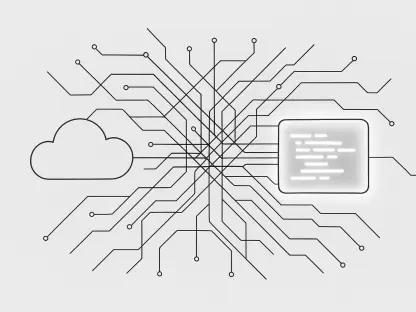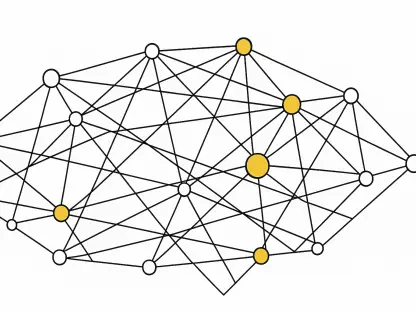

As autonomous digital entities increasingly handle complex multi-step workflows across fragmented cloud ecosystems, the critical challenge of locating and verifying reliable AI agents has moved from a theoretical concern to a pressing infrastructure bottleneck for modern enterprises. To address this fragmentation, the Linux Foundation has introduced the AI Agent Identity and Discovery initiative, commonly referred to as DNS-AID. This new framework establishes a standardized protocol for identifying, authenticating, and communicating with artificial intelligence services globally. By utilizing the mature architecture of the Domain Name System, the initiative provides a decentralized yet highly reliable directory for the burgeoning agentic economy. Developers no longer need to rely on proprietary silos or manual API integrations to connect specialized models; instead, they can leverage a universal naming convention that simplifies the discovery process across different platforms and vendors. This structural shift ensures that as the number of active agents grows from millions to billions, the underlying network remains both navigable and secure for all participants.
Standardizing Agent Discovery: The Role of DNS
Building on this foundation, the implementation of DNS-AID functions by extending traditional DNS record types to store metadata specific to machine intelligence, such as capability manifests and security certificates. This approach allows an agent seeking a specific task—for instance, a legal document summarizer or a real-time market analyst—to query the global DNS infrastructure and receive a verified endpoint and a machine-readable description of the service’s parameters. Furthermore, the integration of public key infrastructure ensures that every discovered agent is authenticated, mitigating the risks of prompt injection or malicious impersonation in automated workflows. This layer of trust is vital for cross-organizational collaboration, where autonomous systems must interact with external APIs without constant human oversight. By embedding these discovery mechanisms into the existing internet fabric, the Linux Foundation facilitates a more interoperable environment where small-scale developers and major technology providers can compete on equal footing through a shared, open-standard registry.
The transition toward a standardized discovery layer required organizations to evaluate their current agent deployment strategies and prioritize the adoption of open-source protocols over proprietary lock-in mechanisms. Strategic investments in DNS-AID-compatible infrastructure allowed technical teams to reduce latency in agent-to-agent handoffs while simultaneously strengthening the security posture of their automated ecosystems. Moving forward, stakeholders focused on refining the granular permissions within discovery records to ensure that sensitive specialized models remained accessible only to authorized requesters. Industry leaders also began integrating these standards into their DevOps pipelines to automate the registration and decommissioning of temporary agents, effectively treating AI identity as a dynamic asset rather than a static configuration. These proactive measures transformed the landscape from a collection of isolated tools into a cohesive, global network of intelligent services. Adopting these standards early became the primary differentiator for enterprises seeking to scale their automation capabilities effectively and securely in an increasingly agent-centric digital economy.