
Anand Naidu is a distinguished figure in the software engineering community, renowned for his ability to navigate both the intricate details of frontend aesthetics and the robust logic of backend architecture. As the landscape of coding shifts toward automation, he has become a leading voice on how
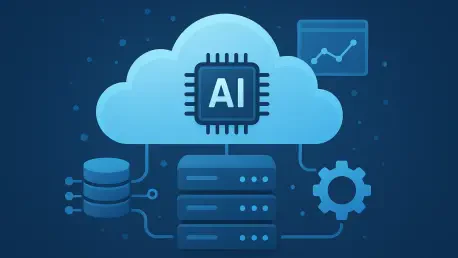
The explosive growth of generative artificial intelligence has fundamentally disrupted the traditional cloud computing hierarchy, prompting a massive migration from generic virtualized instances toward highly specialized, GPU-centric environments. This structural shift marks the end of the era

The sudden injection of generative intelligence into the engineering pipeline has transformed what used to be a steady stream of code into a torrential downpour that is currently overwhelming the traditional review mechanisms designed for human creators. While the primary focus of 2026 remains on

The rapid transition from simple code completion to fully autonomous engineering agents marks the most significant architectural pivot in software development since the advent of distributed cloud computing. AWS has entered this space with Kiro Crew, an open-source orchestration platform that aims

Researchers found that the github-actions bot could be deceived into submitting an approving review for a malicious pull request through command injection. This discovery by security analysts highlights a fundamental shift in how vulnerabilities manifest within decentralized, AI-driven development

The relentless pursuit of computational power is currently giving way to a more pragmatic era of artificial intelligence where operational speed and economic viability dictate the winners of the enterprise software market. As organizations move beyond the initial experimentation phase, the demand