
The once-silent landscape of the modern terminal is undergoing a radical acoustic transformation as the rhythmic clicking of keyboards gives way to the nostalgic grunts of digital orcs and the triumphant fanfares of classic strategy games. In an era where software engineering is increasingly dominated by sterile AI terminals and autonomous agents, a new movement is emerging that prioritizes the human element of coding through gamification and nostalgia. This shift represents more than just a fleeting aesthetic preference; it is a fundamental reimagining of the developer experience. As the industry moves away from manual line-by-line composition and toward high-level supervision of “agentic” AI, the emotional connection between the creator and the tool becomes a critical factor in maintaining focus and preventing burnout.
As developers transition from manual coding to supervising autonomous AI, the need for intuitive and engaging feedback loops has never been higher. Gamified tools bridge the gap between high-stakes automation and the developer’s emotional experience by introducing elements of play into what has traditionally been a purely utilitarian environment. This transition is essential because the nature of work is changing. When a developer triggers an AI agent to refactor a massive codebase, there is a period of waiting where the human must remain “in the loop” without necessarily being active. Gamification provides the sensory anchors needed to keep the developer grounded and responsive during these periods of latent productivity.
This analysis explores the rise of ludic elements in development environments, the mechanics of successful tools like Peon Ping, the impact of open-source democratization, and the future of fun in professional workflows. By examining how nostalgic cues and interactive companions are being integrated into modern IDEs, it becomes clear that the future of software engineering is as much about psychological engagement as it is about technical efficiency. The following sections will detail how these trends are manifesting in the market and why the most successful AI tools of the future will likely be those that treat the developer not just as a worker, but as a player in a complex digital simulation.
The Surge of Ludic Elements in Modern Workflows
Market Adoption and the Shift Toward Agentic AI
The adoption of autonomous agents has fundamentally altered the cadence of the software development lifecycle. Statistics from the current year show a rapid shift toward tools like Claude Code and GitHub Copilot, where AI performs long-running, complex tasks that require minimal human intervention once initiated. This shift has created a peculiar problem: the “idle compute” gap. Developers often find themselves in a state of limbo, waiting for an agent to complete a task or request a permission. Without a sophisticated notification system, this leads to significant downtime or “context switching,” where a developer moves to another task and forgets to check back on the AI, leading to wasted compute credits and stalled progress.
Data suggests that integrating familiar gaming motifs increases user retention and reduces the alert fatigue common in high-pressure engineering environments. Traditional notification sounds—beeps, boops, and generic chimes—often blend into the background noise of a busy office or become sources of irritation. In contrast, sounds that carry nostalgic weight, such as the voice lines from classic strategy games, trigger a different neurological response. These cues are distinctive enough to cut through the noise while remaining pleasant enough to avoid the stress response typically associated with system alerts. This “functional whimsy” has proven to be a powerful tool for maintaining a flow state even when the developer is not actively typing.
Tracking the viral trajectory of gamified plugins on platforms like GitHub reveals a massive appetite for last mile tools that humanize Big Tech infrastructure. While major AI labs focus on the raw power of large language models, the community is increasingly interested in how those models feel to use. The growth of these plugins is often driven by a bottom-up grassroots movement where individual engineers share their “itch-scratching” solutions. This community-led innovation highlights a growing dissatisfaction with the clinical nature of corporate developer tools and a desire for more personality in the digital workspace.
Case Study: Peon Ping and the Warcraft Influence
Peon Ping stands as a primary example of how nostalgic gaming assets can be repurposed to solve modern productivity challenges. The tool uses auditory cues from Warcraft III and Age of Empires to alert developers when an AI agent requires input, solving the practical problem of terminal monitoring in a way that feels organic to the user. When an agent like Claude Code hits a roadblock or finishes a task, the developer is greeted with the iconic “Work, work” or “Something need doing?” of an orcish peon. This approach transforms a potentially annoying interruption into a moment of levity, reinforcing a positive feedback loop that encourages the developer to stay engaged with the terminal.
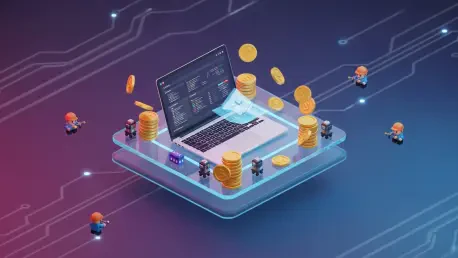
The introduction of desktop companions—such as animated peons that mimic the AI’s work state—reimagines the concept of the digital assistant for the modern era. Unlike the intrusive assistants of the past, these modern companions are designed to provide non-intrusive visual feedback. For example, a peon might be shown typing furiously while the AI is processing a request, and then appear to doze off once the task is complete. This visual shorthand allows a developer to gauge the status of their AI at a glance without having to read through lines of terminal output. It adds a layer of “social” interaction to the AI-human relationship, making the agent feel less like a black box and more like a digital collaborator.
From a one-hour prototype to a major Visual Studio Code plugin, the journey of this tool illustrates how simple ideas can capture a market of millions. By integrating with VS Code, the world’s most popular IDE, the project moved from a niche hobbyist curiosity to a recognized utility in the mainstream developer ecosystem. This success demonstrates that even the most “serious” professional environments have room for humor and play. The integration into mainstream platforms also validates the idea that developers are looking for tools that respect their time while also acknowledging their cultural backgrounds and personal interests.
Expert Perspectives on Open-Source Innovation
Insights from industry leaders emphasize that modern AI development is about creating niche solutions that solve personal inefficiencies before scaling them to the community. The philosophy of “itch-scratching” has become the primary driver of innovation in the gamified tool space. Developers are no longer waiting for major corporations to provide the perfect user interface; instead, they are building the tools they want to use and sharing them with others. This rapid prototyping cycle allows for a level of experimentation and risk-taking that is simply not possible within the confines of a large tech firm, leading to more creative and human-centric solutions.
Industry leaders argue that open-source projects act as a necessary counterweight to “Big AI” entities like OpenAI and Anthropic. While these large corporations control the underlying models, the open-source community controls the user experience. By creating accessible and playful tools, independent developers pressure large corporations to keep their platforms open and user-centric. This democratization of high tech ensures that the benefits of AI are not just reserved for those who can navigate complex, sterile interfaces, but are available to anyone who appreciates a well-placed sound effect or an engaging visual cue.
Experts note that creating viral, gamified AI tools has become a high-impact way for developers to signal their expertise and secure positions at leading AI labs. The “Resume of the Future” is no longer just a list of languages and frameworks; it is a portfolio of tools that people actually enjoy using. A developer who can create a tool that gains 100,000 users overnight demonstrates a unique understanding of product-market fit, community building, and the psychological aspects of software engineering. This shift highlights the growing importance of the “soft skills” of development—understanding how to make a tool feel right is becoming just as valuable as knowing how to make it run fast.
The Future of “Funner and Weirder” AI Development
Predicting the evolution of AI agents into digital colleagues suggests a future where these systems utilize music, voice recordings, and emotional expression to foster deeper collaboration. The soundboards of today are merely the beginning. As AI models become more capable of understanding and generating emotional content, we can expect developer tools to become much more expressive. An AI might choose a specific genre of background music based on the complexity of the task it is performing, or use a voice that conveys a sense of urgency when a critical bug is detected. This transition will move AI from being a tool to being a presence in the workspace.
Addressing the looming challenges of intellectual property is unavoidable as developers continue to use gaming assets in professional tools. Many of the most popular gamified plugins rely on assets owned by major gaming franchises. As these tools move into the mainstream and begin to monetize or gain significant influence, legal challenges regarding copyright and trademark are likely to surface. The industry will need to find a way to balance the desire for nostalgic, culturally resonant assets with the realities of intellectual property law. This might lead to a new market for “licensed” developer tool assets or the creation of original, ludic-inspired content designed specifically for the engineering environment.
The continued evolution of gamified tools will likely lead to “emotional valence” in code, where productivity is no longer just about speed, but about the quality of the user experience. Humanizing the machine is not just about adding sounds or icons; it is about creating an environment where developers feel supported and energized. When a tool can sense the frustration of a user and respond with a supportive cue, or celebrate a successful deployment with a fanfare, the line between “work” and “play” begins to blur in a productive way. This shift will ultimately lead to a more sustainable and enjoyable career path for engineers in an AI-dominated world.
Summary and the Path Forward
The movement toward gamified development environments signaled a profound shift in how the industry approached productivity and the developer experience. It proved that the integration of nostalgia, humor, and open-source agility could transform even the most sterile AI workflows into engaging and human-centric processes. Developers who embraced these ludic elements found themselves more focused and less susceptible to the fatigue that often accompanied the supervision of autonomous agents. The success of these tools established a new standard where personality and playfulness were viewed as essential components of a professional toolkit rather than mere distractions.
The industry recognized that as AI became more autonomous, the most successful tools were those that spoke directly to the developer’s sense of community and personal history. The standard for excellence in software development shifted from raw output to the quality of the collaborative experience between the human and the machine. This evolution ensured that the rapid advancement of artificial intelligence did not come at the cost of human engagement. Instead, the rise of “weird” and “fun” tools allowed developers to reclaim their workspace and infuse it with the personality that had characterized the early days of computing culture.
In the end, the community validated the idea that the next great industry standard could indeed start as a simple joke or a nostalgic soundbite. Engineers were encouraged to embrace the eccentricities of the AI boom and continue scratching their own technical itches. This spirit of experimentation fostered a diverse ecosystem of tools that addressed the emotional needs of the modern workforce. The path forward was paved by those who understood that software development was not just a mechanical task, but a creative endeavor that thrived when it was allowed to be a little bit funner and a lot more human.