
Modern corporations have moved past the era of experimental digital patches, favoring a reality where automated intelligence acts as the very pulse of daily organizational survival. What happens to a global enterprise when artificial intelligence stops being a secondary tool and starts functioning as the foundational nervous system of the business? According to the latest research conducted by Deloitte and ServiceNow, the era of isolated, one-off automation projects is effectively over. In its place, a new paradigm is emerging where automation exists as a continuous, permanent operational discipline that integrates intelligence at the deepest architectural levels to drive real-time decision-making.
This shift signifies a maturation of the corporate digital strategy, moving away from simple cost-cutting toward a more sophisticated model of value creation. Leaders now recognize that sporadic bursts of innovation are insufficient for maintaining a competitive edge in a landscape defined by rapid volatility. Consequently, organizations are rebuilding their internal structures to ensure that every workflow, from supply chain management to human resources, is inherently responsive and capable of self-correction through embedded algorithmic logic.
Navigating the Convergence of AI, Data, and Execution
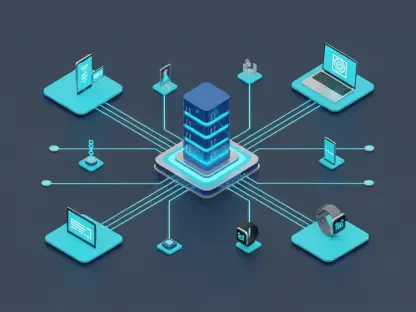
Modern enterprises are currently grappling with the limitations of fragmented legacy systems and siloed data that hinder the speed of digital transformation. The current Workflow Automation Outlook highlights that the contemporary technological movement is moving away from making incremental tweaks to old processes. Instead, the focus has shifted toward building a unified ecosystem where CRM platforms, ERP systems, and AI-enabled analytics operate in tandem to solve the persistent disconnect between back-office operations and front-office customer experiences.
This integration is no longer considered a luxury but a fundamental necessity for survival. When data flows seamlessly across these different functions, the business gains the ability to predict disruptions before they manifest, rather than merely reacting to them. The convergence of execution and intelligence ensures that every automated action is backed by robust data, reducing the risk of error and enhancing the reliability of autonomous systems in complex environments.
Five Core Trends Reshaping the Enterprise Landscape
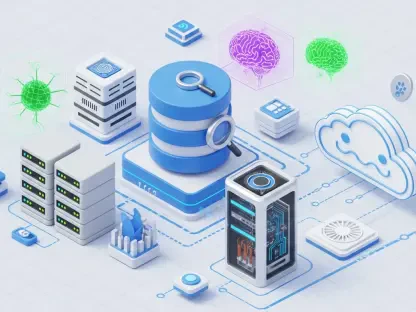
The prioritization of AI-ready architecture stands as the first pillar of this transformation, as companies consolidate disparate systems into adaptive foundations to ensure data unification. This structural shift allows for high-speed, trusted decision-making that was previously impossible under fragmented IT frameworks. By focusing on the underlying architecture, businesses create a fertile ground for more advanced technologies to take root and flourish without the friction of technical debt.
Second, process transformation now places AI at the core, moving beyond incremental improvements to fundamentally redesign workflows around autonomous agents that learn and adapt. Third, governance is being reimagined as a growth engine rather than a restrictive compliance checklist, facilitating responsible innovation and scalable adoption. Fourth, service-led CRM is expanding intelligent workflows into customer engagement to bridge the gap between internal operations and proactive service models. Finally, a relentless focus on outcomes has replaced experimentation, demanding measurable operational impact across all business functions to justify every technological investment.
The Human-in-the-Loop: Preserving Intuition in an Agentic World
A central pillar of the research from leadership at Deloitte and ServiceNow is the debunking of the myth that AI is designed to replace the workforce entirely. Experts emphasize that human oversight remains the most critical component of the workflow, as humans provide the essential context and intuition that even the most advanced agentic systems lack. This model ensures that every automated process has a clear escalation path and interpretability safeguards, which are vital for maintaining operational trust and transparency within the executive suite.
The relationship between the machine and the employee is evolving into a partnership where the AI handles the cognitive load of data processing, while the human focuses on strategic nuance and ethical judgment. This synergy prevents the “black box” problem where decisions are made without clear logic. By keeping humans in the loop, organizations ensure that their automated systems remain aligned with corporate values and social responsibilities, even as they scale at unprecedented speeds.
Actionable Strategies: Building an Integrated Automation Ecosystem
To capitalize on these shifts, leaders audited their current IT architectures to identify fragmented data silos that could impede the speed of autonomous agents. This assessment allowed them to clear the path for more sophisticated integrations by removing the bottlenecks of the past. Instead of simply automating existing manual steps, strategic teams redesigned processes from scratch, imagining how a workflow should function if an AI agent were its primary driver from the very beginning.
Governance frameworks were modernized to serve as guardrails for growth, ensuring that risk management protocols facilitated rather than hindered the entry of new AI tools. Organizations successfully unified front and back offices by integrating CRM data with back-end operational workflows, providing customer service representatives with real-time visibility into the entire value chain. Ultimately, businesses established hard metrics for automation, moving past vanity statistics by embedding specific operational KPIs into every project to ensure long-term strategic value and sustained organizational growth.