
The modern corporate landscape has reached a critical inflection point where a single security oversight in a physical lobby can instantly compromise a multimillion-dollar digital database. Traditional Enterprise Resource Planning (ERP) systems, once relegated to the mundane tasks of payroll processing and inventory tracking, have undergone a radical metamorphosis into sophisticated central command hubs for organizational safety. This evolution is driven by the urgent need for security convergence, a strategic alignment that erases the outdated boundaries between the protection of tangible assets and the safeguarding of proprietary digital data. By harnessing the massive data-processing capabilities of current ERP platforms, enterprises are constructing a unified defense infrastructure that is significantly more resilient and responsive to the multifaceted threats of the present era. As these systems absorb more operational responsibilities, they provide a level of visibility that was previously impossible, turning every badge swipe and login attempt into a synchronized data point for risk assessment.
The Strategic Merger of Security Domains
For decades, large-scale organizations functioned under a fragmented model where physical security and cybersecurity operated in entirely different universes, often led by separate executives with no common communication channel. This siloed approach created dangerous visibility gaps, as security teams focused on fences and cameras rarely shared information with IT departments monitoring firewalls and server logs. A sophisticated intruder could exploit this disconnect by using a stolen physical credential to enter a facility and gain direct access to hardware, while the digital monitoring teams remained unaware of the breach until data began leaving the network. Modern ERP systems bridge this divide by consolidating data from diverse sources, including biometric access points, high-definition video surveillance, and real-time network traffic monitors, into a single, comprehensive management interface. This unified view allows security directors to identify patterns of movement and access that would appear innocuous when viewed in isolation but reveal a coordinated attack when synthesized.
The real power of this integration lies in the implementation of “context-aware” security protocols that verify the legitimacy of user actions across different environments simultaneously and automatically. For instance, if a high-level administrator’s credentials are used to access sensitive financial records from a remote IP address while the ERP’s integrated physical access log shows that same individual just badged into a local on-site fitness center, the system can instantly flag the contradiction as a high-priority security incident. This level of cross-functional intelligence transforms security from a reactive, manual process into a proactive, data-driven strategy that operates at the speed of the business itself. By correlating physical presence with digital activity, companies can significantly reduce the dwell time of intruders and prevent unauthorized data exfiltration before it causes irreparable damage. This shift represents a move toward a holistic safety philosophy where every component of the enterprise, from the front gate to the cloud server, is part of a single, interlocking defensive web.
Hardwired Safety and AI-Driven Analytics
Integration extends beyond simple logging to include the direct management of physical entry hardware and high-throughput screening technologies that are now essential for modern facility management. Current ERP platforms are designed to communicate natively with advanced hardware like the OPENGATE screening systems, which allow for a “free-flow” security experience in high-traffic areas such as corporate headquarters or logistics hubs. These sensors are capable of identifying prohibited metallic items and other threats without forcing employees or visitors to stop and empty their pockets, maintaining operational efficiency while enhancing safety. When the hardware detects a potential threat, it sends an immediate digital signal to the central ERP platform, which can then trigger localized audible alerts for security personnel, lock down adjacent sensitive zones, and create an immutable, time-stamped record of the event. This seamless communication ensures that physical responses are backed by digital intelligence, allowing for a more nuanced and effective approach to onsite crowd management and threat mitigation.
To manage the staggering volume of data generated by thousands of sensors and access points, organizations are increasingly relying on Artificial Intelligence and machine learning algorithms to detect subtle anomalies that would escape human notice. These AI-driven analytics engines can identify unusual behavioral patterns, such as an employee visiting a restricted area at an unconventional hour or a sudden surge in data requests from a terminal that is usually dormant. However, the proliferation of AI within the ERP framework creates a unique paradox; while it significantly bolsters defensive capabilities, it also introduces new internal risks and more sophisticated threat vectors that the system must account for. Consequently, forward-thinking enterprises are deploying specialized AI-powered monitoring tools within their ERPs specifically to track internal behavioral baselines and counter the threat of “AI-enhanced” social engineering. This creates a complex “AI vs. AI” landscape where the system must constantly learn and adapt to distinguish between legitimate automated processes and malicious actors attempting to manipulate the software.
Bridging the Gap in Compliance and Risk Management
A persistent challenge for global enterprises is the phenomenon of “compliance compromise,” where the relentless pressure to maintain high-speed business operations leads to the periodic bypassing of strict security protocols. In many fast-paced environments, employees may find workarounds for cumbersome security measures to meet deadlines, inadvertently creating vulnerabilities that attackers are eager to exploit. ERP systems serve as a vital corrective mechanism for these human failings by embedding compliance requirements directly into the daily operational workflow. By making security a mandatory, non-negotiable part of every transaction—whether it is a physical entry into a laboratory or a digital approval for a wire transfer—the ERP ensures that every action is automatically logged and reconciled against both internal policies and external regulatory standards. This automated oversight removes the “human error” variable from the compliance equation, ensuring that the organization remains protected even when individual personnel are focused on meeting immediate production goals or operational targets.
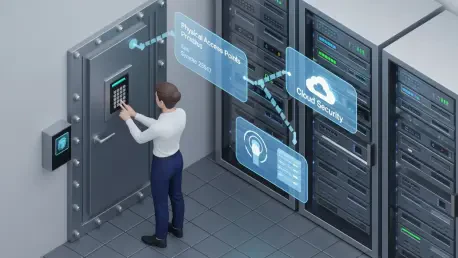
The automation of the audit trail provides a significant advantage during regulatory inspections or internal investigations, as the system provides a clear and indisputable record of activity. When the ERP automatically pairs physical access logs—such as which specific technician entered a high-security server room—with the corresponding digital file activity during that same timeframe, it eliminates the need for labor-intensive manual reconciliation. This synchronization ensures that organizational governance remains consistent across different departments and geographical locations, providing the necessary documentation to satisfy stakeholders, insurance providers, and government regulators. Furthermore, this transparency fosters a culture of accountability within the workforce, as employees are aware that their physical and digital actions are being monitored as part of a unified safety protocol. By centralizing this data, the ERP provides a single “source of truth” that simplifies the complex task of risk management, allowing leadership to focus on strategic growth rather than the minutiae of individual security logs.
Overcoming Implementation Hurdles and Practical Solutions
Despite the clear strategic advantages of a unified security approach, the path to full integration is often hindered by “legacy debt” and the significant capital expenditure required for hardware modernization. Many established businesses are still operating with older, disconnected security systems that were never designed to communicate with cloud-based ERP platforms, leading to a fragmented technological landscape. The cost and complexity of replacing thousands of legacy badges, cameras, and sensors can be a major barrier to adoption, especially in industries with tight margins or sprawling physical footprints. Moreover, centralizing all security functions within a single ERP system introduces the risk of a larger “blast radius,” where a single vulnerability in the central software could theoretically grant an attacker control over both the company’s digital records and the physical locks on its buildings. Addressing these challenges requires a phased implementation strategy that prioritizes high-risk areas while ensuring that robust encryption and multi-factor authentication are applied to the ERP interface itself.
Looking toward the immediate future of the industry, there is a clear shift toward the use of scalable, third-party AI security modules that can be seamlessly plugged into existing ERP frameworks via standardized APIs. This modular evolution allows mid-sized companies to access high-level security tools—such as predictive threat modeling and automated incident response—that were previously only available to global conglomerates with massive internal IT budgets. As these systems become the central nervous system of the modern enterprise, the focus will transition from mere data collection to the intelligent orchestration of safety resources in real-time. Organizations should begin by conducting a comprehensive audit of their current security silos and identifying the most critical points where physical and digital data overlap. Moving forward, the most successful companies will be those that treat security not as a series of separate barriers, but as a unified, fluid ecosystem that protects people, property, and information through the intelligent integration of every available technological asset. This transition was finalized when the system moved from passive observation to active, automated defense.