
Sophisticated digital infrastructure now serves as the foundational backbone for global enterprise software and international development initiatives, yet this interconnectedness exposes vital systems to persistent and evolving systemic risks. The modern development landscape is no longer defined by isolated servers but by a sprawling ecosystem of mobile devices, cloud-native applications, and real-time data streams that demand a shift from reactive auditing to proactive resilience. As organizations navigate the complexities of 2026, the mandate for security has transitioned from a technical checkbox to a strategic imperative that dictates the viability of global operations. This transformation requires a layered approach, integrating security protocols directly into the lifecycle of software while simultaneously leveraging advanced technologies like Earth Observation to safeguard physical development projects in the field.
The convergence of application security and global development signifies a new era where digital integrity is synonymous with operational success. For decision-makers, understanding the mechanics of this integration is essential for managing risk in a world where a single vulnerability can disrupt critical services or derail multimillion-dollar infrastructure investments. By examining the current tools and methodologies used to fortify these systems, one can identify a clear path toward building more resilient and sustainable digital environments. The following analysis explores how the industry is moving beyond traditional barriers to implement a holistic model of protection that spans from the initial lines of code to the satellite-monitored progress of international aid initiatives.
Introduction: The New Paradigm of Digital Trust
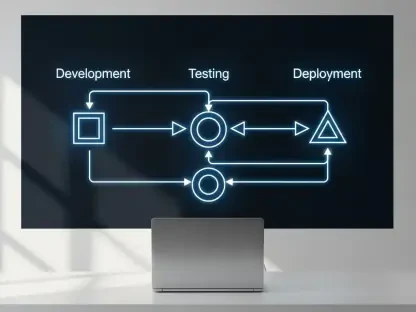
The traditional approach to software security, which often relied on a final audit before a release, has become largely obsolete in an environment characterized by rapid deployment and decentralized execution. Modern applications now frequently operate in hostile client-side environments, such as mobile devices or browser-based platforms, where the code is exposed to reverse engineering and unauthorized tampering. To address these vulnerabilities, the industry has adopted a layered security model that aligns with frameworks established by the National Institute of Standards and Technology and the Open Web Application Security Project. This shift toward a “Security as Code” philosophy ensures that protection is not an afterthought but a fundamental component of the Software Development Lifecycle from its inception through to deployment.
Strategic implementation of these frameworks allows organizations to maintain development velocity without sacrificing integrity. By shifting security left—identifying flaws during the earliest stages of development—companies significantly reduce the cost and complexity of remediation. However, testing alone is insufficient; true resilience requires active protection mechanisms that safeguard the application during its execution in the wild. This dual focus on identification and defense creates a robust safety net that prevents attackers from exploiting remaining gaps. As the digital landscape continues to evolve, the ability to harmonize these two pillars of security remains a critical differentiator for businesses seeking to maintain trust and stability in their global operations.
The Evolution: From Static Audits to Continuous Resilience
A cornerstone of modern application security is the use of Static Application Security Testing and Software Composition Analysis to secure the software supply chain. Since modern applications are rarely built entirely from scratch, the integrity of third-party libraries and open-source components has become a primary concern for security teams. Software Composition Analysis tools now provide a comprehensive inventory of these dependencies, cross-referencing them against global vulnerability databases in real-time. This level of transparency is vital for generating a Software Bill of Materials, which serves as a detailed list of ingredients for software, ensuring that every component is accounted for and verified against known exploits.
Beyond the source code, the focus has expanded to include the runtime environment through Dynamic Application Security Testing and Interactive Application Security Testing. These “Black Box” and “Gray Box” methodologies simulate external attacks and monitor internal execution paths to identify vulnerabilities that only manifest when the application is active. By instrumenting the code with sensors, interactive tools provide high-precision analysis with low false-positive rates, allowing developers to focus on actual risks rather than technical noise. This continuous validation process ensures that as applications grow in complexity, their defensive capabilities remain aligned with the evolving threat landscape, effectively shrinking the window of opportunity for malicious actors.
Strategic Defense: Application Hardening in Hostile Environments
For applications distributed to end-users, such as mobile banking or healthcare platforms, the threat model extends to the physical device itself. In these scenarios, code obfuscation and application hardening are essential for protecting intellectual property and sensitive logic from reverse engineering. Advanced hardening solutions transform the code into a form that is unintelligible to human observers and automated tools, while maintaining its original functionality. This proactive measure is complemented by Runtime Application Self-Protection, which allows an application to detect if it is running in a compromised environment, such as a rooted or jailbroken device, and take defensive actions like terminating the session or alerting the backend server.
The integration of these runtime defenses represents a move toward “Application-Aware” protection, where the software itself becomes a participant in its own security. Unlike traditional firewalls that sit at the network edge, runtime protection resides within the application, providing the context necessary to distinguish between legitimate user interactions and malicious manipulation. This is particularly relevant in the age of Large Language Models, where attackers utilize artificial intelligence to automate the generation of exploits. By deploying adaptive defenses that can counter automated analysis, organizations ensure that their mobile and client-side applications remain resilient against both traditional and AI-driven threats, thereby preserving the integrity of the user experience.
Space-Based Intelligence: Satellite Data in Global Development
Just as digital applications require hardening, global development projects require the oversight provided by Earth Observation and geospatial intelligence. The European Space Agency’s Global Development Assistance program exemplifies how satellite technology is being mainstreamed into international development to optimize infrastructure investments and disaster resilience. By providing high-resolution imagery and data analytics, this program enables International Financial Institutions to monitor projects in remote or conflict-affected regions where physical access is limited. This satellite-derived intelligence informs policy decisions, improves the transparency of aid delivery, and ensures that resources are allocated to the areas of greatest need.
In practice, the use of Earth Observation data allows for precise mapping of disaster-prone regions and the monitoring of climate-resilient agriculture. For instance, satellite sensors can track soil moisture and vegetation health over vast territories, providing the data necessary to predict food security risks and manage water resources more effectively. This technological intervention acts as a force multiplier for development agencies, allowing them to scale their impact and respond more quickly to environmental shocks. The ability to monitor ground-level changes from space provides a level of accountability and insight that was previously unattainable, bridging the gap between high-level financial planning and tangible socioeconomic outcomes in developing nations.
Analytical Precision: Earth Observation in International Finance
The integration of geospatial data into the workflows of the World Bank and the Asian Development Bank has revolutionized the way international finance supports sustainable growth. Through specialized activity lines, these institutions utilize satellite analytics to assess the resilience of transport networks and plan for urban heat mitigation in rapidly growing cities. By identifying sections of roads or railways most vulnerable to flooding or landslides, planners can design more robust infrastructure that survives extreme weather events. This data-driven approach minimizes economic losses and ensures that the infrastructure built today remains functional in the climate conditions of the coming decades.
Furthermore, the democratization of space data ensures that even small-scale enterprises can leverage these insights to modernize their operations. Regional initiatives now focus on demystifying complex technologies like cloud computing and data analytics for local businesses, providing them with the tools to compete on a global scale. This “digital edge” allows companies to automate repetitive tasks and utilize data for strategic planning, thereby increasing their productivity and market reach. As the global economy becomes increasingly tech-enabled, the synergy between satellite intelligence and local digital fluency creates a resilient ecosystem where both large-scale infrastructure and small businesses can thrive despite the challenges of a fast-changing world.
Future Considerations: Actionable Pathways for Sustainable Security
Strategic leaders recognized that the successful deployment of technology in 2026 depended on a unified approach to security and data. The transition from reactive measures to integrated resilience proved successful for protecting both enterprise applications and international development projects. It was established that a layered defense model, incorporating code hardening and real-time monitoring, significantly reduced systemic risk. Organizations that prioritized the transparency of their software supply chains and utilized geospatial intelligence achieved higher levels of operational stability. Moving forward, the focus must remain on the continuous adaptation of these tools to ensure long-term sustainability and trust across the global digital landscape.