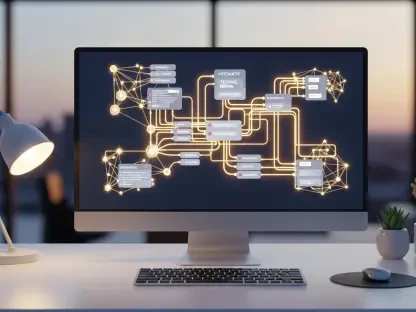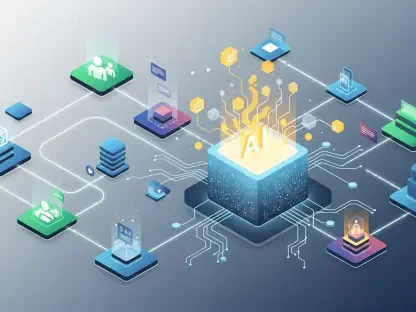

The sudden announcement of a mandatory platform shift can send shockwaves through even the most stable procurement departments, especially when that shift involves a cornerstone system like SAP Ariba. As the rollout of Next-Gen Ariba accelerates throughout the current quarter of 2026, enterprise leaders are finding themselves at a critical crossroads where the path of least resistance—simply migrating—might actually be the most disruptive choice in the long run. This transition is far more than a minor software update; it represents a fundamental re-architecting of the platform to accommodate the Joule AI engine and the SAP Business Technology Platform (BTP) extension layer. For organizations that have spent years meticulously refining their procurement workflows, this replatforming creates an unexpected opening to scrutinize whether their current technology stack truly serves the business or if they are merely staying the course due to historical momentum. The sheer volume of configuration work and the necessity for extensive user retraining mean that the “cost of staying” has suddenly spiked, rivaling the investment required to move to a completely new solution.
The complexity of this migration is exacerbated by the reality that many global procurement teams are still recovering from previous integration shifts that occurred over the last several years. Moving to Next-Gen Ariba necessitates a deep dive into technical debt, as many existing customizations and manual workarounds may not survive the transition to the new user experience layers. Furthermore, the push toward AI-centric procurement through Joule technology requires a robust data foundation that many enterprises have yet to perfect, making the promise of “automated intelligence” feel distant for those still struggling with basic data hygiene. Because this transition is being driven by the vendor’s architectural requirements rather than specific customer pain points, it is essential for stakeholders to look beneath the surface of the marketing materials. If a procurement team is forced to rebuild their house just to keep the same address, it becomes logical to ask if the neighborhood still meets their evolving needs for speed, agility, and a modern user experience.
1. Key Factors to Assess Before Moving Forward
Accurately calculating the total cost of transition requires a level of forensic accounting that goes significantly deeper than simply reviewing the annual licensing agreement or the vendor’s implementation quotes. Beyond the visible expenses, organizations must quantify the internal labor hours required for system testing, the inevitable dip in department productivity during the learning curve, and the potential for supply chain friction if the supplier network faces synchronization issues during the handoff. It is often the hidden costs, such as the need for specialized consultants to bridge the gap between legacy configurations and the new SAP BTP extensions, that inflate the final bill beyond the original budget. Decision-makers should seek out detailed case studies from early adopters who have already initiated their transitions in 2026 to understand the realistic timeframe and resource allocation needed, rather than relying on idealized projections that might underestimate the friction of moving large-scale enterprise operations.
User experience remains a pivotal metric for success, yet it is frequently overshadowed by technical specifications during the procurement software selection process. If a department currently suffers from low adoption rates or if employees frequently bypass the system to make “maverick” purchases, simply moving those same hurdles to a more modern-looking interface in Next-Gen Ariba will not yield a return on investment. The question is not just whether the new platform looks better, but whether it fundamentally simplifies the requisition-to-invoice journey for the average employee who only uses the system once a month. Integration stability also demands rigorous scrutiny, particularly for those who have weathered multiple technology shifts in the past decade. If the proposed migration implies another cycle of rebuilding ERP connections or adapting to a new middleware layer, the long-term maintenance burden may become unsustainable, making it imperative to look for solutions that offer a permanent, stable bridge to the core financial records.
2. Recommended Action Steps
Performing a genuine expense review is the first non-negotiable step for any organization facing a forced migration, as it provides the factual baseline necessary for an objective comparison. This audit should explicitly detail the cost of internal staff hours dedicated to the project, the expense of third-party implementation partners, and the potential revenue impact of procurement delays during the switchover. Often, a “free” or discounted upgrade offered by a primary vendor carries significant hidden liabilities in the form of required infrastructure updates or mandatory training sessions that pull key personnel away from strategic sourcing initiatives. By documenting these expenses clearly, procurement leaders can present a compelling business case to the CFO that evaluates the migration not as a routine update, but as a significant capital expenditure that must be justified against other high-value technological investments available in the current 2026 marketplace.
Once the financial landscape is clear, the focus must shift to evaluating actual tool adoption to identify areas of waste and inefficiency within the current suite. It is common for enterprises to pay for premium “Enterprise” bundles while their teams utilize only a fraction of the available modules, such as basic purchase order generation and invoice processing. If the core needs of the business are relatively straightforward, paying a premium for a complex, AI-heavy ecosystem like Next-Gen Ariba might be an unnecessary luxury that adds more complexity than value. Surveying the current marketplace for modern procurement orchestration layers can reveal alternative strategies that provide a consistent, consumer-grade front-end for users while maintaining a secure, lightweight connection to the existing ERP. This approach allows an organization to decouple the user experience from the backend vendor’s roadmap, ensuring that future platform changes at the database level do not result in a traumatic retraining exercise for the entire workforce.
3. Practical Validation and Phased Transition
Verifying all integration promises through technical documentation and peer references is a critical safeguard against the “vaporware” or “roadmap” features that often plague major software rollouts. Procurement leaders should demand to see live demonstrations of the integration working in environments that mirror their own specific ERP versions and industry-specific configurations. Relying on generic marketing claims can lead to a situation where the software is purchased, but the actual connectivity requires months of expensive custom development to function as intended. Speaking with other procurement heads who have managed similar transitions can uncover the “gotchas” that vendors typically omit, such as specific limitations in how the new platform handles multi-currency transactions or complex tax rules in different jurisdictions. This due diligence ensures that the final decision is based on the actual performance of the code rather than the persuasive power of a sales presentation.
Looking into a gradual or phased transition offers a strategic way to mitigate risk while still moving toward a more modern procurement environment. Instead of a “big bang” migration that flips every user to the new system overnight, organizations can implement a modern buying interface that sits on top of their current system, shielding employees from the backend complexity during the migration period. This layer acts as a buffer, allowing the technical team to handle the heavy lifting of the Next-Gen Ariba transition in the background without interrupting the daily flow of business or requiring a massive, all-at-once training program. This strategy not only reduces the risk of total system failure but also provides the flexibility to pivot if the backend migration proves more difficult than anticipated. By focusing on a stable user interface first, the procurement department can maintain high service levels and user satisfaction while the technical infrastructure evolves at a more manageable and predictable pace.
4. Strategic Choices for Long-Term Success
The arrival of Next-Gen Ariba acted as a catalyst for a deeper conversation regarding the long-term viability of the traditional enterprise software bundling model. In the past, the perceived ease of having a single vendor for both the ERP and the procurement suite often outweighed the functional limitations of the software itself. However, as of 2026, the rise of flexible, API-driven procurement orchestration platforms has significantly lowered the barrier to adopting “best-of-breed” solutions that integrate seamlessly with SAP systems. This shift has empowered procurement leaders to prioritize user experience and business agility over vendor consolidation, allowing them to select tools that truly resonate with their workforce. The decision to migrate should therefore be viewed as a strategic choice rather than an inevitable upgrade path, as the current technological landscape offers numerous ways to achieve high-performance procurement without the disruption of a full-scale platform rebuild.
The most successful transitions observed this year were those where leadership treated the migration as an opportunity to simplify their entire procure-to-pay architecture. By stripping away legacy customizations that no longer added value and focusing on clean, standardized processes, these organizations prepared themselves for a future where technology is a facilitator rather than a bottleneck. Whether a company chooses to proceed with Next-Gen Ariba or seeks out a more agile alternative, the primary goal was to ensure that the resulting system delivered tangible improvements in spend visibility and operational efficiency. The lessons learned during this period of transition highlight the importance of maintaining control over the technology roadmap rather than being led by the vendor’s priorities. Moving forward, the most resilient procurement departments will be those that favor modularity and ease of use, ensuring that their technology stack can adapt to the next wave of innovation without requiring another traumatic and costly migration.