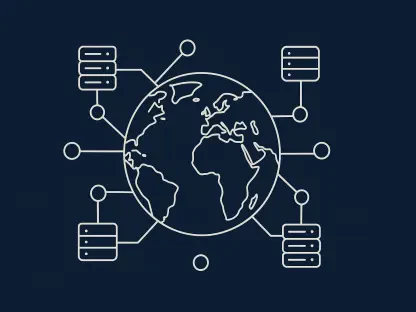

Managing a sprawling network of business locations requires more than just standard operational protocols; it demands a sophisticated digital infrastructure that eliminates the gap between local execution and corporate strategy. The central challenge lies in the fragmentation of data that occurs

The evolution of digital labor has reached a critical juncture where the distinction between chatting with a machine and delegating complex enterprise operations has finally dissolved into a unified agentic ecosystem. OpenAI has fundamentally redirected its strategic focus from the creation of

In the high-stakes environment of global energy production, where a single minute of downtime or a missed trend can translate into millions of dollars in lost revenue, the ability to extract actionable insights from mountains of raw data has become the ultimate competitive differentiator for modern

Designing robust distributed systems has historically relied on the wisdom of senior architects who weigh trade-offs through exhaustive manual peer review processes that can take weeks or even months to complete. In the current landscape, the complexity of cloud-native infrastructure often exceeds

The inherent distance between a successful laboratory prototype and a resilient enterprise-grade agent effectively determines whether a company achieves a genuine return on investment or merely accumulates expensive technical debt. As organizations move beyond the initial excitement of simple
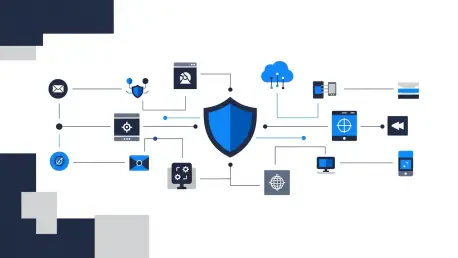
The traditional boundaries between human intention and executable machine logic are dissolving as autonomous systems move from suggesting syntax to managing the entirety of complex architectural lifecycles. This shift is most evident in the arrival of ZCode, an environment designed to operate with