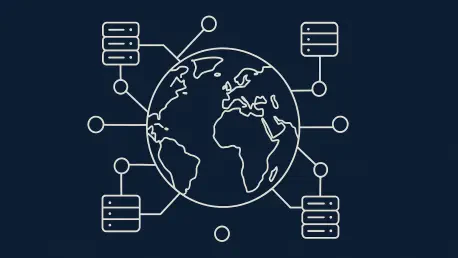

As the digital infrastructure of 2026 reaches a point of near-infinite complexity, the traditional methods of manual cloud configuration have finally hit a wall that only autonomous agents can climb. The industry has reached a crossroads where the sheer scale of microservices, serverless
Technical teams frequently encounter significant overhead when manually configuring connections between language models and individual cloud service wrappers. This fragmentation creates a bottleneck in the software development lifecycle, as engineers spend more time managing credentials and API

The convenience of dropping API keys directly into configuration files for AI tools is currently outpacing developer awareness regarding the risks of public repository commits. As engineering teams accelerate their delivery pipelines through the integration of automated assistants, the fundamental
The rhythmic hum of a billion transistors no longer represents a mere utility bill but serves as the heartbeat of a sophisticated global marketplace where raw processing power is traded with the intensity of crude oil. In 2026, the cloud is no longer a monolithic service provided by a handful of

GitLens serves as a sophisticated archaeological tool for codebases, offering deep insights into the evolution of specific files and the historical context behind every committed change. This capability has become the bedrock of modern software engineering in 2026, where the sheer volume of code
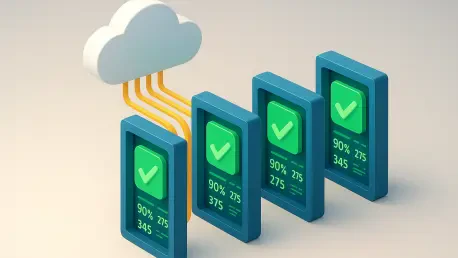
Emerging trends in AI development indicate that black-box testing is no longer sufficient for ensuring the reliability of complex agents handling multiple tool calls. As these autonomous systems find their way into mission-critical production environments, the traditional methods of software