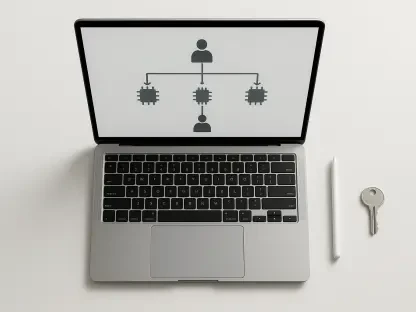

The rapid transition from human-centric coding to autonomous AI agents has exposed a critical vulnerability in modern software supply chains: the lack of secure execution environments. As agents gain the capability to write, test, and deploy code independently, the risk of unauthorized access or
The days of staring at a blinking cursor while wrestling with syntax are fading into memory as developers move toward high-level orchestrations where the feeling of a prompt matters as much as the logic of the code. This fundamental shift marks the arrival of a new era in software engineering,
The arrival of a new major compiler version often serves as the silent heartbeat of the global software infrastructure, dictating how efficiently millions of lines of code will run on next-generation hardware. This specific update marks a pivotal moment for the GNU Compiler Collection, signaling a

The traditional boundaries between static software and autonomous intelligence have dissolved completely as mobile applications have evolved into self-optimizing ecosystems that anticipate user needs before an explicit command is ever issued. This transformation signifies a departure from the

Modern cloud architecture has mutated from a promise of streamlined efficiency into a labyrinth of fragmented microservices and ephemeral instances that defy manual oversight. While the initial migration to cloud environments was intended to liberate IT departments from the physical constraints of

The velocity of contemporary software engineering has reached a point where traditional security measures are often viewed as relics of a slower, less complex era. As organizations pivot toward continuous delivery, the DevSecOps methodology has emerged as the primary framework for balancing rapid