The traditional boundary between a software developer’s intent and the mechanical execution of code is dissolving as integrated development environments transition into proactive autonomous systems. The Visual Studio Code AI updates represent a significant advancement in the software development
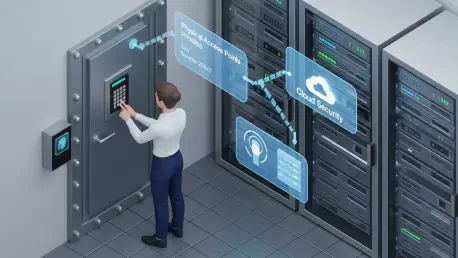
The modern corporate landscape has reached a critical inflection point where a single security oversight in a physical lobby can instantly compromise a multimillion-dollar digital database. Traditional Enterprise Resource Planning (ERP) systems, once relegated to the mundane tasks of payroll

The rapid integration of Large Language Models into enterprise architectures has created a precarious dependence on middleware tools that frequently operate with excessive permissions and minimal oversight. As organizations rush to adopt artificial intelligence, the infrastructure supporting these
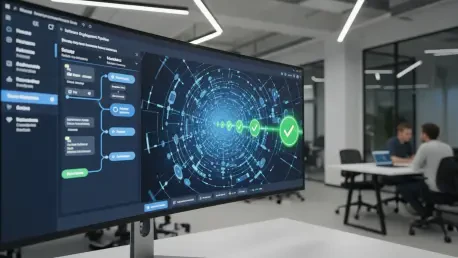
The digital infrastructure of the modern enterprise now evolves with the fluid volatility of a living organism, yet the mechanisms intended to protect it remain largely trapped in a rigid, industrial-age mindset. While software development has transitioned into a world of instantaneous deployments
The modern enterprise perimeter has dissolved into a complex web of autonomous agents that no longer simply answer questions but actively execute high-level corporate functions. As these artificial intelligence systems move from passive chat interfaces to active operational participants, a quiet

Modern software engineers frequently pride themselves on rigorous security protocols and cautious digital hygiene, yet the emergence of the StoatWaffle malware framework demonstrates that even the most vigilant professionals are vulnerable when their primary productivity tools are weaponized