
Bridging the gap between human-readable code and browser execution requires a sophisticated collection of specialized tools working in tandem to ensure stability and speed. In the current landscape of 2026, the transition from basic, static websites to intricate web applications has fundamentally
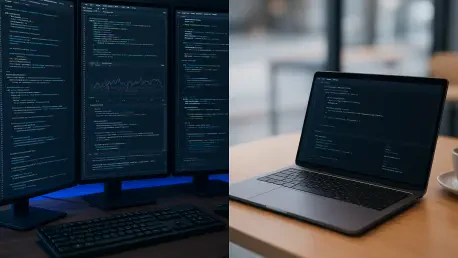
The decision between these two tools involves more than just preference, as a fifty-dollar monthly Visual Studio seat is wasted on a developer writing React components who would be better served by a free, open-source editor. In the current landscape of 2026, the distinction between a heavy-duty
The transformation of the modern integrated development environment has reached a pivotal juncture where the barrier between human intent and machine execution effectively disappears. Version 1.132 functions as a catalyst for this change, moving the platform beyond a simple text editor toward an

Software architects today are increasingly finding themselves at a crossroads where they must decide between the surgical precision of Go’s minimalist syntax and the massive, industrial-grade power of the .NET ecosystem. While C# remains the undisputed king of the Microsoft development stack,

The rapid evolution of generative technologies has fundamentally altered the relationship between human intention and the binary execution of software development. As of 2026, the industry has transitioned away from the rigid constraints of traditional syntax toward a more fluid paradigm known as
Research indicates that approximately eighty-eight percent of online consumers are unlikely to return to a website after encountering a single poor user experience or visual glitch. This statistic underscores the immense pressure on modern engineering teams to deliver flawless digital interfaces