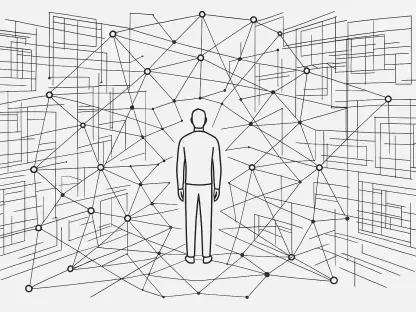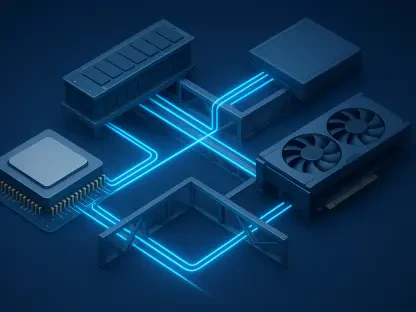

The modern manufacturing floor has long been a graveyard of untapped data where sophisticated sensors collect billions of points that eventually vanish into digital silos without ever triggering a single meaningful human action. Athena Technology Solutions seeks to bridge this gap with FabOrchestrator, a platform that moves the needle from simple data visualization to true operational autonomy. By addressing the overhead associated with manual system management, the platform aims to revitalize industrial productivity through a decentralized, agentic approach.
Assessing the Value of an Agentic AI Foundry for Manufacturing
FabOrchestrator arrives as a potential antidote to the crippling operational overhead that plagues modern industrial environments. Traditionally, engineers spent countless hours manually reconciling datasets across disparate systems to make basic floor decisions. This platform shifts the paradigm from passive observation to active participation. By automating the link between data and deed, it promises to alleviate the friction that holds back lean manufacturing goals in a competitive global market.
The return on investment for manufacturers struggling with siloed data becomes apparent when observing how the system handles complex integrations. Instead of requiring a massive workforce to monitor dashboards, the platform utilizes autonomous logic to resolve conflicts between the shop floor and the back office. This reduction in the need for human intervention suggests a future where operational costs are decoupled from the complexity of the production line.
Core Technology and Functionality of FabOrchestrator
The engine behind this shift is the “Agentic AI Foundry,” a sophisticated architecture that moves beyond basic predictive maintenance. Unlike older software that requires a human to interpret a red flag, these AI agents utilize independent reasoning to evaluate the context of an alert. Through a strategic partnership with Scale.AI, the platform leverages advanced large language model workflows to bridge the gap between technical documentation and operational execution.
Integration with legacy giants like Siemens Opcenter ensures that the AI agents can navigate existing Manufacturing Execution Systems without friction. These agents do more than just read data; they are capable of autonomous code generation and cross-system orchestration. This enables the software to update configurations or patch logic in real time, effectively acting as an invisible digital workforce that maintains system health without constant human prompting.
Performance Evaluation and Real-World Application
In practical application, the speed at which FabOrchestrator processes information creates a distinct advantage for high-volume facilities. Automated report generation and support ticket management no longer consume the valuable hours of skilled technicians. Instead of waiting for a shift change to address a minor bottleneck, the system identifies and corrects the issue before it impacts throughput.
This transition from a system of record to a system of action represents a fundamental change in the decision cycle. Real-world tests show that the accuracy of autonomous system configurations remains high even in complex engineering environments. By handling the low-level logic of production, the platform allows the human workforce to scale their expertise across multiple sites rather than being bogged down by the minutiae of a single faulty machine.
Critical Advantages and Potential Limitations
One of the most compelling arguments for adoption is the ability to layer this intelligence over existing infrastructure. Manufacturers often fear the “rip-and-replace” costs associated with new technology, but FabOrchestrator works within the current framework. This compatibility reduces initial capital expenditure while providing an immediate drop in human error rates and manual labor requirements.
However, the effectiveness of these agents is inherently tethered to the quality of the underlying data within the legacy systems. If the initial data entry is flawed or inconsistent, the AI may require extensive training to recognize the nuance of a specific factory’s quirks. Oversight remains a necessity during the early phases of deployment, as the complexity of autonomous actions requires a robust validation period to ensure safety and quality standards are maintained.
Final Assessment of Athena Technology Solutions’ Platform
Athena Technology Solutions has successfully addressed the chronic issue of data fragmentation that has slowed industrial progress for years. The platform provides a cohesive bridge between the office and the shop floor, making it more than just a reporting tool. It is a necessary evolution for any organization aiming to reach the heights of a true smart factory without discarding their previous digital investments.
The balance between technological innovation and practical implementation seems well-maintained in this offering. While the initial setup requires diligence and a clear understanding of existing data flows, the long-term payoff in operational agility is substantial. FabOrchestrator stands out as a pragmatic solution for a sector that is often cautious about radical digital changes but desperate for efficiency gains.
Concluding Opinion and Guidance for Industry Adoption
The shift toward AI-driven oversight represented a significant milestone for enterprise leaders who sought to future-proof their operations. High-mix, low-volume manufacturers stood to gain the most from this agentic shift, as their workflows often demanded the most frequent manual adjustments. Strategic considerations for the digital roadmap necessitated a focus on data hygiene before full integration was achieved.
Implementing this technology required a cultural pivot as much as a technical one, moving personnel into roles that focused on auditing AI decisions rather than performing repetitive tasks. Forward-thinking executives realized that the true value lay in the scalability of intelligence, allowing a single expert to manage vast networks of autonomous agents. This evolution paved the way for a more resilient supply chain that reacted to disruptions with surgical precision and minimal delay.