The gap between a dazzling artificial intelligence demonstration and a resilient production system often feels like an unbridgeable chasm, paved with the debris of hallucinated facts and outdated organizational data. While the initial excitement of generative AI focused heavily on the sheer power

The sophisticated evolution of modern data infrastructure is currently being defined by the ability of intelligent systems to interact with databases through standardized communication channels rather than through manual coding efforts. For decades, a stark divide existed between the creative logic

Modern artificial intelligence agents frequently encounter a significant performance ceiling when forced to interact with search engines that were originally designed for human users browsing the visual web. This fundamental mismatch has led to a major architectural shift at Perplexity AI, where

As organizations increasingly integrate autonomous artificial intelligence agents into their core business workflows to handle everything from automated scheduling to financial reporting, the surface area for sophisticated cyberattacks has expanded significantly. These systems differ from standard
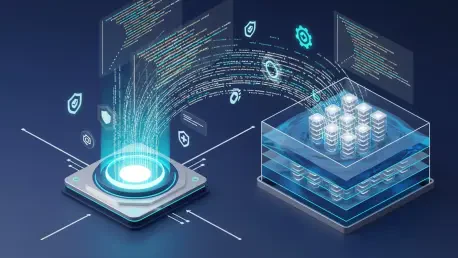
Bridging the Gap: Connecting Code to Operational AI The persistent friction between rapid software development and the rigid requirements of enterprise deployment has finally met a formidable adversary in the form of a unified, code-centric ecosystem. At the latest industry briefings, the unveiling

The familiar spinning loading wheel that often accompanies cloud-based artificial intelligence is beginning to vanish from the user experience as the power of high-level reasoning moves directly into the silicon of personal workstations. While the AI revolution was initially forged in the heat of