

The rapid evolution of consumer hardware has finally enabled Windows 11 users to bypass centralized cloud providers and host sophisticated large language models entirely within their own private environments. This shift represents a fundamental change in how individuals interact with artificial

The strategic success of a modern autonomous intelligence system depends far less on the raw complexity of its underlying large language model than on the accessibility, governance, and integrity of the institutional knowledge it consumes daily. As organizations move beyond experimental chatbots
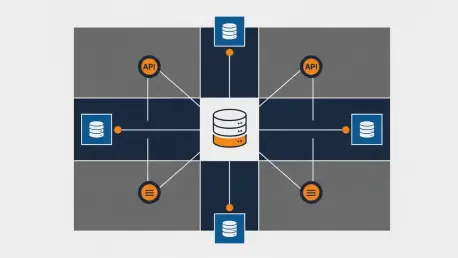
The integration of generative artificial intelligence directly into the core engine of SQL Server 2025 has fundamentally transformed how enterprises interact with their structured and unstructured datasets. While traditional databases served primarily as static repositories, the current

The seamless transition from traditional telephony to browser-based video conferencing has essentially turned every digital interface into a potential meeting room without a single download. Only a few years ago, the landscape of digital interaction was cluttered with heavy software installations

The transition from simple SQL autocompletion to fully autonomous data engineering agents marks the most significant architectural pivot in the modern enterprise data stack since the move to the cloud. This evolution addresses a persistent frustration among data professionals who have long

The persistent struggle to extract clean, contextual data from legacy document formats has long been a primary bottleneck for enterprise-grade artificial intelligence deployments. Despite the sophistication of modern large language models, the underlying structure of a standard PDF or a spreadsheet