
The traditional paradigm of centralized data warehousing is buckling under the pressure of autonomous agents that require sub-millisecond response times to execute complex reasoning loops without human oversight. This shift marks a departure from the "passive storage" model where data simply sat

Relying on an AI model to maintain application state within its context window creates a high risk of data inconsistency and misleading user feedback. In the current era of front-end engineering, the transition from rigid, pre-defined templates to dynamic, generative interfaces has fundamentally
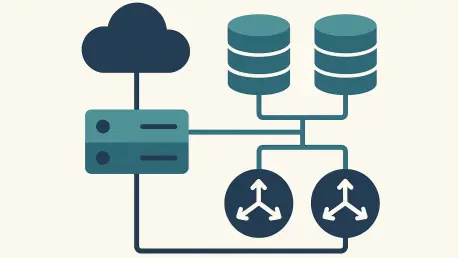
Relying on standard architectural patterns like load balancers and caching no longer guarantees success in high-level engineering interviews as firms prioritize trade-off justification. In the current hiring landscape of 2026, the technical assessment has evolved from a test of component

Grounded reasoning in an enterprise context requires an AI system to navigate unstructured document collections and provide precise answers based solely on evidence without introducing outside information. This challenge was at the heart of the recent Grounded Reasoning Cup, a high-stakes

Databricks is centering its technical roadmap on a specialized trio of tools—Lakebase, Genie, and the Unity AI Gateway—to provide the governance and operational layers required for modern AI agents. This strategic evolution marks a significant departure from traditional data warehousing toward a

The frantic pace of global logistics has finally outstripped the capabilities of simple conversational chatbots that merely summarize data without the power to act upon it. While the initial wave of artificial intelligence focused on creating human-like dialogue, the enterprise sector is now