
Designing an automation system that coordinates hundreds of repository updates simultaneously requires more than just raw speed; it demands a communication backbone that refuses to shatter under the weight of a network failure. In the high-stakes environment of modern software development, the

Decentralized storage solutions are increasingly becoming the backbone of the modern web, yet the architectural complexities involved in maintaining a globally distributed network often lead to performance bottlenecks that hinder enterprise adoption. The latest series of updates released by the Neo

The rapid evolution of high-performance computing has created a significant divide between the high-level accessibility of the Python programming language and the raw efficiency of modern hardware accelerators. As scientific simulations and artificial intelligence models grow in complexity,

The modern luxury automotive landscape has shifted its focus from the roar of internal combustion engines toward the silent, sophisticated processing power of central computing units that manage every aspect of the driver experience. General Motors is currently at the forefront of this digital

The once-impenetrable fortress of proprietary artificial intelligence is currently being dismantled by a global surge toward open-weight architectures that grant developers unprecedented control over the digital minds they deploy. This fundamental shift from "black box" proprietary systems to
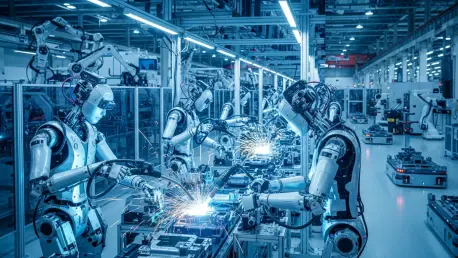
Industrial efficiency is no longer defined by stationary robotic arms bolted to factory floors but by agile, bipedal systems capable of navigating the complex, unscripted environments originally built for the human form. This transition represents a significant departure from the era of fixed