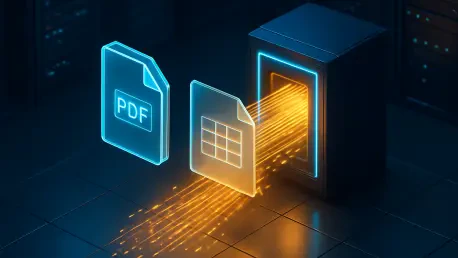
Providing engineers with tools to programmatically edit and extract data from diverse file formats simplifies the creation of automated enterprise document management systems. Consider a global logistics firm in 2026 that must process ten thousand unique invoices daily across multiple time zones;
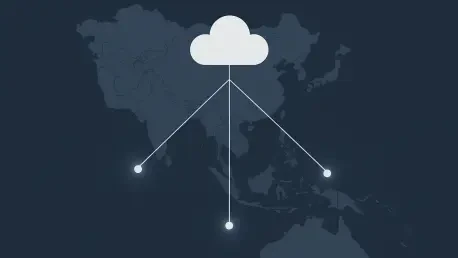
The sheer velocity at which modern digital enterprises must establish a physical presence across diverse geographies has turned the traditional manual deployment of cloud infrastructure into a significant liability for those who cannot automate at scale. As organizations move through 2026, the
Modern software engineering has reached a critical threshold where the sheer volume of code obscures the original intent behind its creation, leaving developers to navigate a complex labyrinth of logic without a clear map. The Atlassian Code Context represents a significant advancement in the
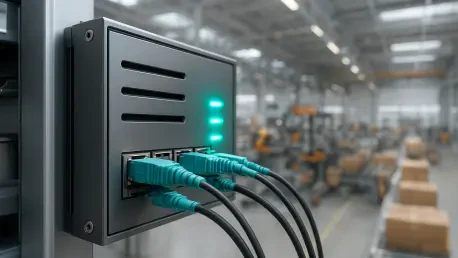
The traditional paradigm of centralized data warehousing is buckling under the pressure of autonomous agents that require sub-millisecond response times to execute complex reasoning loops without human oversight. This shift marks a departure from the "passive storage" model where data simply sat

Relying on an AI model to maintain application state within its context window creates a high risk of data inconsistency and misleading user feedback. In the current era of front-end engineering, the transition from rigid, pre-defined templates to dynamic, generative interfaces has fundamentally
Relying on standard architectural patterns like load balancers and caching no longer guarantees success in high-level engineering interviews as firms prioritize trade-off justification. In the current hiring landscape of 2026, the technical assessment has evolved from a test of component