
Anand Naidu, a seasoned expert in both frontend and backend development, has built a career on understanding the intricate plumbing of enterprise software. His deep proficiency in various coding languages and architectural frameworks allows him to see beyond the flashy user interfaces of modern

A senior lead developer sits in a starkly lit conference room for forty-five minutes simply to explain why a non-functional tag update on a cloud resource will not cause a global outage. This scenario represents the pinnacle of modern corporate inefficiency, where high-speed software development

The sleek, gated gardens of proprietary artificial intelligence are witnessing an architectural revolt as high-performance open-weight models begin to dismantle the long-standing monopoly of closed-box systems. For a significant period, the enterprise world was beholden to a handful of elite labs,

Teams can now monitor and track development costs by applying serverless usage policies to specific SSH tunnel connections and project-based workloads. Data engineers traditionally faced a difficult choice between the comfort of local environments and the raw power of the cloud. This friction point

While a feature-rich environment is tempting for new developers, resources are more effectively spent ensuring that users reach the first moment of value as quickly as possible. This initial success represents the cornerstone of a software-as-a-service venture, determining whether a customer
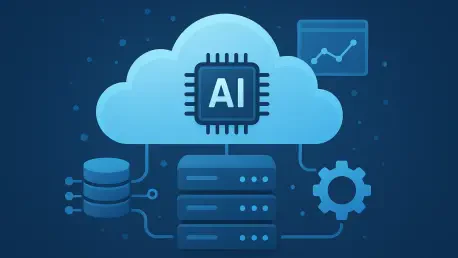
The explosive growth of generative artificial intelligence has fundamentally disrupted the traditional cloud computing hierarchy, prompting a massive migration from generic virtualized instances toward highly specialized, GPU-centric environments. This structural shift marks the end of the era