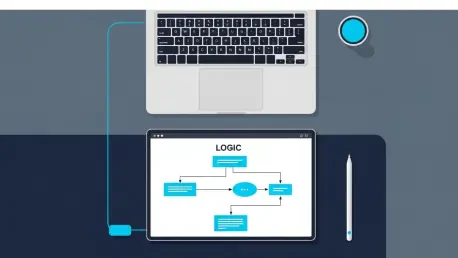

The global digital ecosystem has reached a critical juncture where the speed of automated exploitation often outpaces the capacity of human developers to patch vulnerabilities manually. As the central pillar of modern computing, Microsoft is fundamentally altering the software development lifecycle

The standard security routine for many developers often feels like an exercise in futility, where a massive list of vulnerabilities is presented without any clear path toward resolution. While the ecosystem provides a plethora of scanners that can identify every possible flaw in a dependency tree,
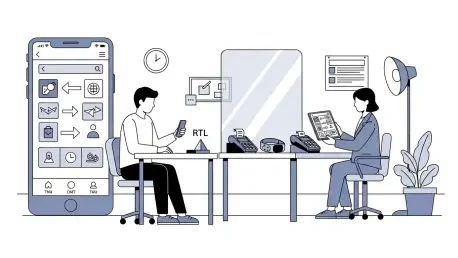
Speed alone rarely wins the race when building mobile apps in Qatar, because success hinges on fluency with the country’s language norms, regulatory rails, and public-sector integrations that quietly determine whether a product ships on time, earns trust, and scales without rework. That reality has

Software teams felt the ground shift as coding agents moved from side projects to daily companions, yet the mix of tools, models, and MCP connections quietly multiplied risks, costs, and blind spots faster than security and platform teams could react. This how-to guide showed how to harness

Introduction to AI-Driven Testing in Fintech Payment rails rarely pause, risk models never sleep, and yet software changes ship constantly, so quality now depends on systems that learn where money, policy, and code will collide before customers ever feel the jolt. The shift under review is not

Anand Naidu has shipped products through crunch-time launches and long, quiet refactors, and he’s learned that scalability is not a late-stage patch—it’s a product decision made on day zero. In this conversation, he digs into architecture choices that prevent 13.5 hours a week from vanishing into