

The traditional image of a data scientist buried in hundreds of lines of Python scripts is rapidly fading into the background as graphical user interfaces become the standard for model creation. In the current landscape of 2026, low-code machine learning platforms have successfully transitioned

The fundamental shift from traditional on-premises data centers to elastic cloud environments has redefined how modern corporations conceptualize their technological foundations and operational capabilities over the past decade and a half. While the initial wave of adoption was characterized by a
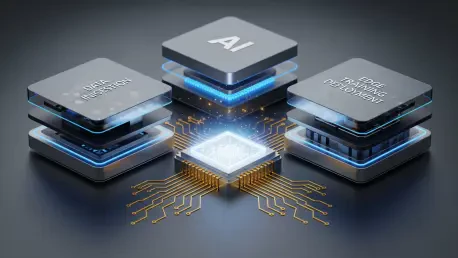
The global artificial intelligence ecosystem has transitioned from a period of rapid, chaotic discovery into a mature state characterized by a clear separation of utility between the industry's two most powerful tools. This evolution, often referred to as the Grand Divergence, has seen PyTorch and

The transition from static mobile interfaces to autonomous, context-aware systems has reached a critical tipping point where software no longer waits for user input but actively prepares for it. In the current digital landscape, the traditional distinction between a simple tool and a sophisticated

The traditional boundaries of financial services are rapidly dissolving as top-tier global institutions trade legacy architectural rigidness for a dynamic ecosystem where modular artificial intelligence agents operate as the primary engine of both growth and institutional resilience. Current market
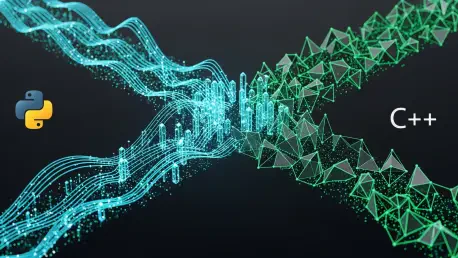
The friction between rapid Python prototyping and high-performance C++ deployment has long been the primary bottleneck in the artificial intelligence development lifecycle, costing engineering teams thousands of hours in code translation. For years, researchers favored Python for its flexibility