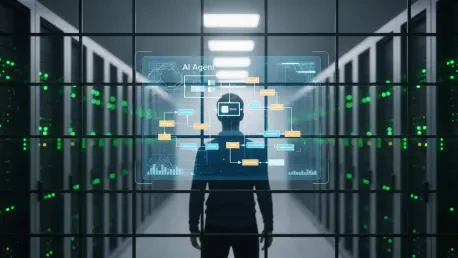

Cybersecurity threats are evolving into a sophisticated breed of malware that operates with the efficiency of a biological parasite within a digital ecosystem. Modern software development infrastructures are increasingly falling victim to this phenomenon, often called a digital "Cordyceps"

Modern software development teams frequently encounter significant bottlenecks when attempting to synchronize complex deployment schedules across distributed microservices architectures that involve multiple stakeholders and diverse environments. As organizations scale their digital infrastructure,

The sudden silence that falls over a global operations center when a critical CI/CD pipeline grinds to a halt marks the terrifying reality of a modern software supply chain under siege by invisible actors. This specific fear materialized during the GlassWorm campaign, which systematically targeted
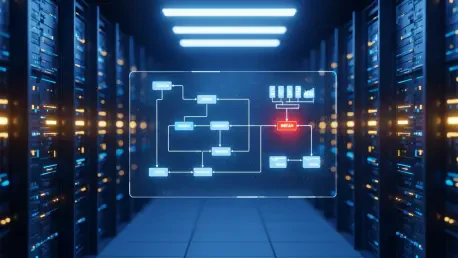
The traditional paradigm of software supply chain security has undergone a radical transformation as attackers move away from simple credential harvesting toward the exploitation of systemic logic within automated pipelines. Historically, the industry relied on the integrity of individual
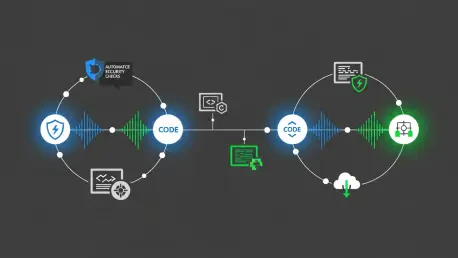
The integration of sophisticated artificial intelligence into the modern software delivery pipeline has fundamentally redefined how engineering teams approach scalability and operational resilience. As the current technological landscape demands unprecedented speed and precision, the traditional

Software engineering teams across the globe are currently witnessing a paradox where the massive productivity gains promised by generative artificial intelligence are being swallowed by the sheer inefficiency of legacy delivery pipelines. As of early 2026, the widespread integration of advanced AI