

The global travel industry has fundamentally transitioned into a mobile-centric ecosystem where travelers expect instantaneous responses and seamless transitions between various booking services. This shift has rendered traditional desktop-first strategies obsolete, forcing businesses to prioritize
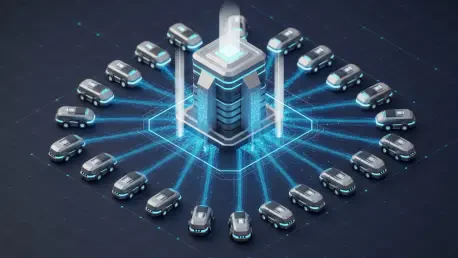
Engineering teams often find that their continuous integration workflows become a major productivity bottleneck as their test suites expand to cover modern, complex application architectures. When validation processes take too long, developers are forced into frequent context switching, which
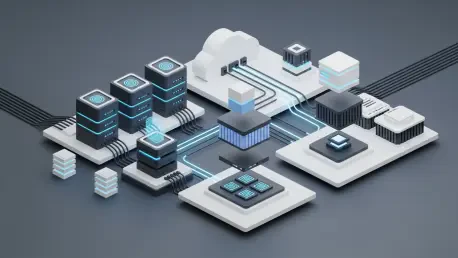
The sudden proliferation of generative artificial intelligence across enterprise development teams has created an unprecedented volume of software artifacts that demand immediate and automated resource provisioning to remain functional. While some early predictions suggested that natural-language

Data scientists often face a jarring disconnect between the rich, customized features of their local Integrated Development Environments and the simplified web interfaces provided by cloud-based machine learning platforms. This friction frequently forces engineers to choose between the scalability

The rapid proliferation of large language models and distributed cloud computing systems has created a financial paradox where the price of innovation often outpaces the revenue generated by these new digital capabilities. While the initial wave of artificial intelligence adoption focused heavily

The historical dominance of hardware-centric engineering is rapidly fading as silicon becomes a standardized substrate for the increasingly sophisticated logic that defines the modern technological experience. This transformation is currently epitomized by the strategic integration of cloud-native