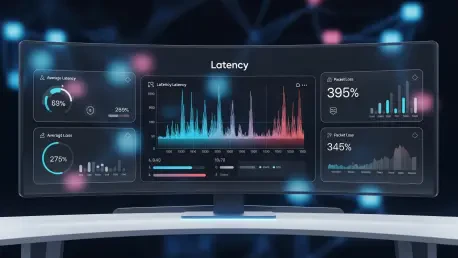
A developer might celebrate a 99.9% uptime metric, but if that last decimal point involves a twelve-second delay for a mobile user on a spotty network, the system is functionally dead in the eyes of the consumer. In the current landscape of 2026, the definition of a working application has shifted

The surprising revelation that Microsoft has decided to leverage Amazon Web Services for its GitHub operations has sent massive shockwaves throughout the global technology sector this week. This move is particularly striking because it comes at a time when the Redmond giant is aggressively

The integration of sophisticated large language models into the core of software engineering has reached a point where nearly half of all code commits originate from nonhuman entities. This technological surge accelerates deployment cycles but fundamentally shifts the burden of trust from human
The arrival of Kimi Code CLI marks a definitive shift in how engineers interface with their machines, moving beyond mere autocomplete suggestions toward a fully autonomous terminal residency. Developed by Moonshot AI as a successor to the original kimi-cli, this tool transitions away from being a
Modern site reliability engineering has encountered a significant paradox where the tools designed to ensure stability often contribute to the very complexity that causes system failure. As software organizations strive for continuous delivery, the sheer volume of microservices and the volatile

The fundamental assumption that virtual machines provide an impenetrable boundary between untrusted workloads has been shattered by a new class of microarchitectural vulnerabilities targeting the very core of ARM64 processors. As the industry shifts toward high-efficiency silicon, the reliance on