
The traditional image of a developer hunched over a keyboard for months to produce a single mobile application has been replaced by a dynamic reality where sophisticated software emerges from high-level conceptual conversations between humans and machines. The evolution from labor-intensive manual
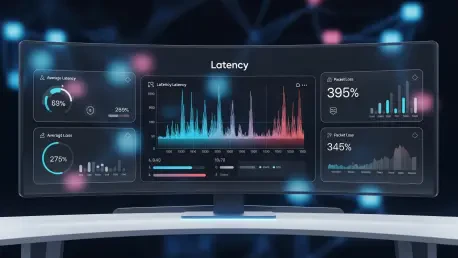
A developer might celebrate a 99.9% uptime metric, but if that last decimal point involves a twelve-second delay for a mobile user on a spotty network, the system is functionally dead in the eyes of the consumer. In the current landscape of 2026, the definition of a working application has shifted

The persistent debate surrounding the transition from flat design to the current Liquid Glass interface has reached a fever pitch as tech enthusiasts and professionals alike await the potential fixes promised in the upcoming release of iOS 27. Since its introduction, this design language has sought

Thetraditionalbarrierstoenteringthedigitalmarketplacehavevanishedasartificialintelligencehasmaturedintoaubiquitouspartnerforneighborhoodentrepreneurs. A local bakery or a boutique consulting firm no longer needs to secure a massive capital investment or hire a full-stack development team just to

The traditional image of a web developer hunched over a keyboard manually typing thousands of lines of syntax has rapidly evolved into a sophisticated orchestration of intelligent agents and natural language processing. By this point in 2026, the integration of artificial intelligence into software

Digital interfaces have traditionally functioned as a series of rigid walls, forcing users to navigate through pre-constructed corridors of buttons and tabs that may not align with their specific creative or technical goals. This structural limitation has become increasingly apparent as artificial