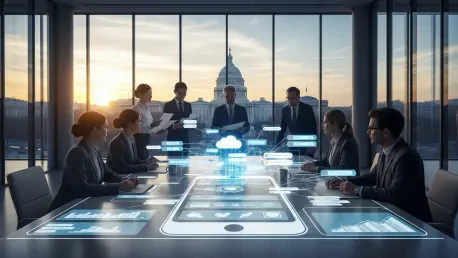
The rapid transformation of the District of Columbia into a premier global technology epicenter has fundamentally redefined the landscape of digital commerce and public administration across the Eastern Seaboard. By the middle of this decade, the capital city has successfully leveraged its unique
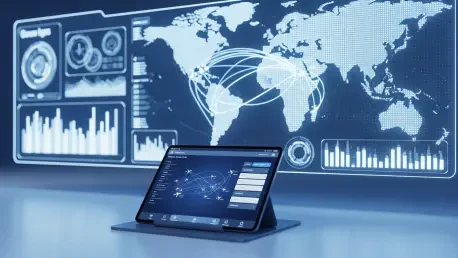
The global travel industry has fundamentally transitioned into a mobile-centric ecosystem where travelers expect instantaneous responses and seamless transitions between various booking services. This shift has rendered traditional desktop-first strategies obsolete, forcing businesses to prioritize

The ongoing sophistication of digital agents has fundamentally transformed the requirements for user interface design in modern computing environments where real-time adaptability is now the standard. Traditional static interfaces are rapidly becoming obsolete as users demand more interactive and
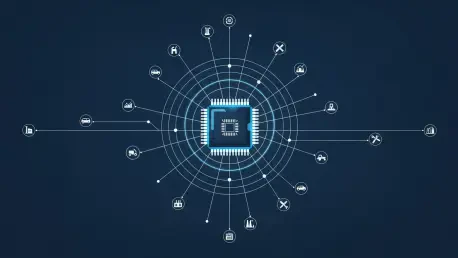
The historical dominance of hardware-centric engineering is rapidly fading as silicon becomes a standardized substrate for the increasingly sophisticated logic that defines the modern technological experience. This transformation is currently epitomized by the strategic integration of cloud-native

The traditional image of a developer hunched over a keyboard for months to produce a single mobile application has been replaced by a dynamic reality where sophisticated software emerges from high-level conceptual conversations between humans and machines. The evolution from labor-intensive manual
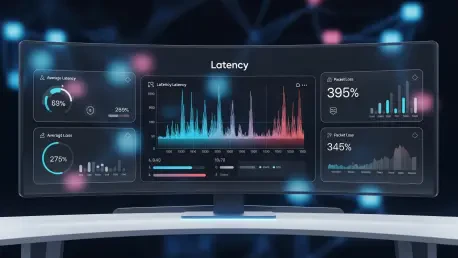
A developer might celebrate a 99.9% uptime metric, but if that last decimal point involves a twelve-second delay for a mobile user on a spotty network, the system is functionally dead in the eyes of the consumer. In the current landscape of 2026, the definition of a working application has shifted