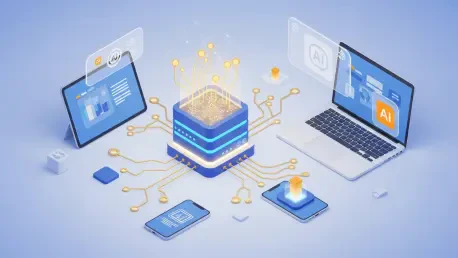
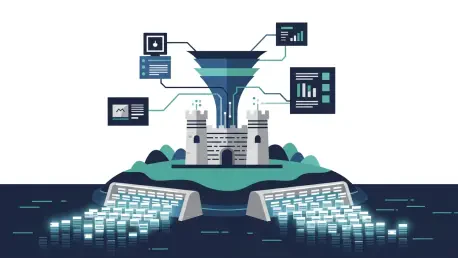
Granting an autonomous software agent the authority to refactor a legacy codebase or manage cloud network endpoints requires a level of trust that traditional operating system security was never originally designed to provide. When an AI agent decides that the most efficient path toward optimizing
The fundamental unit of software production has undergone a tectonic shift where individual functions no longer serve as the primary measure of productivity compared to the delivery of entire integrated features. This evolution represents the transition from a manual craft to an orchestrated
The telecommunications industry is currently navigating a pivotal era where the integration of Artificial Intelligence is no longer a luxury but a fundamental necessity for survival in a hyper-competitive market. While nearly every major carrier and tower company is currently assessing or deploying
The relentless influx of critical vulnerability reports often leaves modern security operations centers drowning in a sea of data while attackers exploit known weaknesses within hours of their public disclosure. This disconnect represents the most significant hurdle in the current cybersecurity

The traditional role of the human software engineer has undergone a radical transformation as autonomous AI agents have successfully transitioned from being simple autocomplete plugins to becoming self-sufficient teammates capable of managing entire repositories. By the midpoint of this current
The global landscape of software production is currently witnessing a paradoxical struggle where the velocity of automated code generation clashes violently with the foundational principles of engineering stability and logical rigor. This transition from manual logic design toward what industry