
The rapid proliferation of sophisticated artificial intelligence coding assistants has fundamentally transformed the traditional software development lifecycle, shifting the primary constraint from writing code to effectively validating its logic. As developers increasingly rely on high-velocity
The integration of sophisticated artificial intelligence into the modern software delivery pipeline has fundamentally redefined how engineering teams approach scalability and operational resilience. As the current technological landscape demands unprecedented speed and precision, the traditional

Anand Naidu is a veteran in the development sphere, possessing a comprehensive understanding of both frontend and backend architectures that few can match. With years of experience navigating the intricacies of various coding languages and the infrastructure that supports them, he has seen

Software engineering teams across the globe are currently witnessing a paradox where the massive productivity gains promised by generative artificial intelligence are being swallowed by the sheer inefficiency of legacy delivery pipelines. As of early 2026, the widespread integration of advanced AI
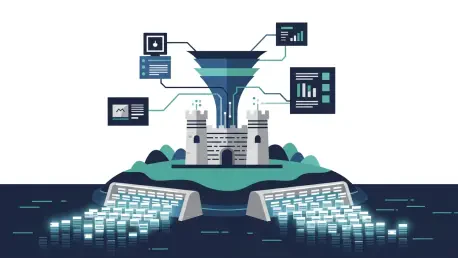
Granting an autonomous software agent the authority to refactor a legacy codebase or manage cloud network endpoints requires a level of trust that traditional operating system security was never originally designed to provide. When an AI agent decides that the most efficient path toward optimizing

The reliability of modern software delivery pipelines depends almost entirely on the absolute certainty that a green checkmark indicates functional code, yet a persistent shadow known as flakiness is currently destabilizing the foundation of global development infrastructure. For years, the