
Anand Naidu is a seasoned development authority who bridges the gap between complex backend architecture and front-facing security implementation. With a career rooted in the nuances of various coding languages, he has observed the evolution of software delivery from simple repositories to the

The global financial infrastructure currently rests upon a precarious foundation where millions of lines of machine-generated code are integrated into core banking systems every single day without exhaustive human validation. As the industry moves deeper into this automated era, the transition from

A revolution in digital craftsmanship is currently unfolding where the rigid boundaries of syntax are dissolving into a fluid landscape of pure human intent and conceptual clarity. This shift, often described as vibe coding, represents a move away from the grueling labor of manual programming
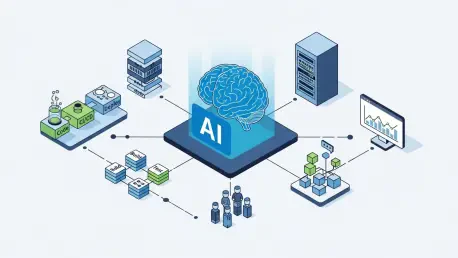
The seamless integration of high-speed machine learning models into software delivery pipelines has fundamentally disrupted the traditional balance between engineering velocity and systemic reliability across the modern enterprise landscape. This evolution represents a departure from human-centric

The traditional boundary separating human cognitive labor from automated execution is rapidly dissolving as organizations transition into a hybrid operational model where digital agents possess as much institutional context as the employees they assist. This transformation marks the beginning of

The traditional boundary between theoretical regulatory compliance and real-world operational security has finally dissolved as the Monetary Authority of Singapore (MAS) shifts its focus toward a rigorous, live-environment validation model for artificial intelligence. This transition represents a