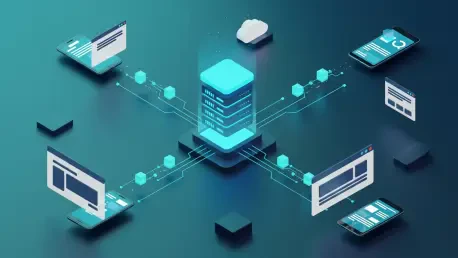

Modern application development has transcended the era of standalone tools to become a sophisticated engineering discipline focused on creating interconnected ecosystems that adapt dynamically to user intent. Software no longer exists in a vacuum where a single installation serves a single purpose; instead, it functions as a critical node within a sprawling digital infrastructure where data flows seamlessly between platforms. In 2026, the industry has firmly moved past the traditional mobile-first approach to embrace an AI-first paradigm. This shift means that architects and engineers are no longer just writing functional logic but are instead building intelligent systems that utilize predictive analytics and natural language processing as core components rather than optional add-ons. The complexity of these systems requires a fundamental understanding of how disparate APIs, cloud environments, and specialized databases interact to deliver a unified experience.
This evolution has fundamentally altered the expectations for both businesses and developers, requiring a more holistic view of the software lifecycle. A modern enterprise application must be able to communicate with a customer relationship management system, a real-time data lake, and an autonomous AI agent simultaneously. This interconnectedness ensures that businesses can respond to market fluctuations and user needs with unprecedented speed. Consequently, the role of the developer has matured from being a simple coder to a comprehensive solution architect. Those who succeed in this environment are individuals who can visualize the entire data flow of an organization and design applications that do not merely perform tasks but actually solve underlying business problems through intelligent automation and robust architecture.
1. The Core Pillars: Distinguishing Web and Mobile Ecosystems
The current technological landscape presents a clear division between web and mobile development strategies, each offering unique benefits tailored to specific business requirements. Web application development has seen a massive surge in capability, moving far beyond static or simple interactive pages to become the primary engine for modern SaaS platforms and enterprise tools. These browser-based applications utilize advanced frameworks like React, Next.js, and specialized serverless backends to deliver performance that rivals traditional desktop software. One of the most significant advantages of this approach is universal access, as any device equipped with a modern browser can run these applications without the friction of app store downloads or device-specific updates. This accessibility reduces the administrative burden on IT departments and simplifies the deployment of internal tools across diverse hardware environments.
Mobile application development remains a cornerstone of the digital experience, though it has branched into three distinct strategic paths that developers must navigate based on performance and budget. Native development continues to be the gold standard for high-performance applications, utilizing Swift for iOS and Kotlin for Android to provide deep integration with device hardware and sensors. For businesses seeking a more cost-effective entry, cross-platform frameworks like Flutter and React Native allow for a single codebase to serve multiple operating systems without a significant sacrifice in quality. Additionally, Progressive Web Apps (PWAs) have emerged as a viable middle ground, offering an installable, mobile-like experience through the browser that functions offline and loads rapidly. Choosing between these paths is no longer about which technology is “best,” but rather which one aligns most closely with the specific user engagement goals and performance requirements of the project.
2. The Framework: A Seven-Phase Application Development Lifecycle
A successful software project relies on a structured lifecycle that transforms a conceptual idea into a reliable, scalable product through a series of disciplined phases. The process begins with project discovery and scoping, where the primary objective is to define the specific problem the application will solve while establishing a realistic budget and timeline. This phase is critical because it ensures that all stakeholders are aligned before any resources are committed to technical execution. Once the scope is clear, teams move into requirements documentation, creating a comprehensive catalog of functional needs and technical constraints. This documentation serves as the single source of truth for the project, preventing the common pitfall of scope creep that frequently leads to budget overruns and missed deadlines in less structured environments.
Following the initial planning, the lifecycle moves into system architecture and iterative programming, where the theoretical design is brought to life. Architects create detailed blueprints, including UI/UX wireframes, database schemas, and API structures, ensuring that the system can scale as the user base grows. Development typically follows an Agile methodology, where code is written and reviewed in two-week sprints to allow for incremental improvements and the early detection of technical obstacles. This iterative approach is complemented by a rigorous quality assurance phase, where the application undergoes unit, integration, and performance testing to ensure it can handle real-world traffic while remaining secure against evolving cyber threats. The final stages involve deployment to live environments and continuous maintenance, a phase that often accounts for the majority of an application’s total lifetime cost as developers release patches and iterate on features based on actual user feedback.
3. Strategic Build: Leveraging Specialized Development Partnerships
The complexity of modern software engineering often makes it impractical for organizations to maintain a full range of high-level development talent in-house. While assembling an internal team might seem to offer more control, the reality often involves significant recruitment delays, high overhead costs, and the ongoing challenge of retaining specialized engineers in a competitive market. Partnering with a dedicated app development company provides immediate access to a bench of experts who have already solved similar architectural challenges for other clients. These firms bring established workflows and specialized knowledge in niche areas like AI integration, cloud-native architecture, and advanced cybersecurity, which would take a typical business months or even years to build internally.
Beyond talent acquisition, external partnerships offer a strategic advantage in terms of risk mitigation and market speed. Professional development agencies utilize standardized quality control frameworks and automated testing pipelines that ensure a higher level of reliability from day one. By offloading the technical execution to a partner, business leaders can focus their energy on core strategy, marketing, and customer acquisition rather than getting bogged down in the minutiae of code reviews or infrastructure maintenance. Furthermore, the rise of low-code and no-code platforms has allowed these partners to accelerate the development of standard features, enabling professional developers to spend more time on the custom, high-value components that truly differentiate a product in the marketplace. This collaborative model transforms development from a logistical hurdle into a flexible, strategic asset.
4. Professional Horizons: Shaping a Career in the Intelligent Era
The career path for application developers in the current economy is characterized by a significant shift in the skills that command the highest market value. While traditional coding proficiency remains a baseline requirement, the most successful professionals are those who have mastered the art of AI orchestration and cloud-native system design. The role of the developer is evolving from someone who manually writes every line of code to someone who directs AI agents to generate, test, and optimize software components. This transition places a premium on strategic thinking, architectural knowledge, and the ability to verify and audit AI-generated code for security and performance. Specialized roles in cybersecurity engineering and data architecture are also seeing substantial growth as organizations prioritize protecting their digital assets and optimizing their data flows.
Earning potential in the field is increasingly tied to these high-demand specializations, with mobile developers and enterprise architects commanding top-tier compensation packages. The digital transformation efforts of large organizations continue to fuel a steady demand for professionals who can build and maintain the complex web and mobile ecosystems that drive modern business. In 2026, the concept of a “full-stack” developer has expanded to include a deep understanding of cloud infrastructure and the integration of machine learning models into user-facing applications. For those entering the field or looking to advance, the focus has shifted toward building a portfolio that demonstrates not just technical skill, but the ability to deliver tangible business outcomes through intelligent software design. The industry rewards those who view themselves as continuous learners, capable of adapting to the rapid cycles of technological change.
The exploration of modern application development provided a comprehensive view of how the industry operated and the specific paths required for success. Stakeholders recognized that technical execution was inextricably linked to business strategy, ensuring that every project served a clear and measurable purpose. The shift toward AI-first methodologies and interconnected ecosystems set a new standard for performance and user experience. Developers who focused on high-value specializations like AI orchestration and cybersecurity found themselves at the forefront of the job market, while organizations that partnered with specialized firms achieved faster time-to-market and reduced operational risk. By adhering to a disciplined seven-phase lifecycle, teams were able to navigate the complexities of modern engineering and deliver software that was both resilient and scalable. Moving forward, the focus must remain on integrating these intelligent tools with human oversight to create applications that are as secure as they are innovative. The transition from standalone products to dynamic ecosystems became the defining characteristic of this era in software development.