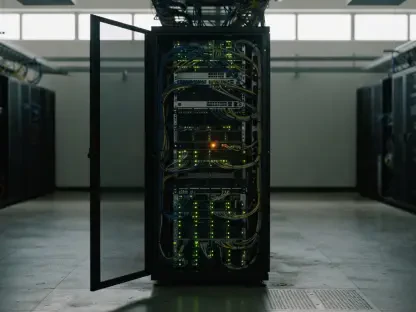

Modern software engineering is rapidly outgrowing the traditional model of simple autocomplete suggestions in favor of complex, self-directed systems that interpret developer intent. The AWS Kiro Agentic Development platform arrives at this critical juncture, signaling a complete overhaul of how

The rapid transition from human-centric coding to autonomous AI agents has exposed a critical vulnerability in modern software supply chains: the lack of secure execution environments. As agents gain the capability to write, test, and deploy code independently, the risk of unauthorized access or

The exponential expansion of modern trading infrastructure has created a paradox where the very automated tests designed to ensure system stability often become the primary source of operational friction and engineering fatigue. Within high-stakes environments, the mandate to provide comprehensive

The rapid integration of autonomous AI coding agents into the modern software development lifecycle has created a paradigm shift where machines, rather than humans, are now the primary targets of sophisticated supply chain incursions. While the transition toward agentic workflows has significantly
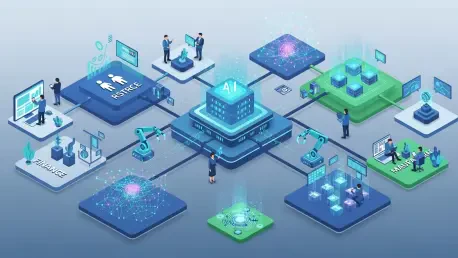
The traditional focus on software functionality is rapidly giving way to a more urgent priority: the total elimination of the friction inherent in large-scale system deployments. Sage, a global leader in accounting and financial management solutions, recently demonstrated this shift through its
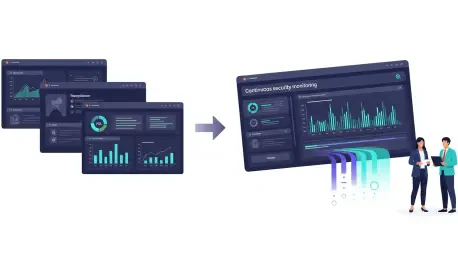
The persistent gap between theoretical security controls and actual system behavior often results in a dangerous illusion of safety that shatters during a modern audit or a sophisticated breach. Organizations frequently find themselves trapped in a cycle of reactive compliance, where teams scramble