

The rapid proliferation of trillion-parameter models has reached a logistical and economic ceiling that necessitates a fundamental shift toward more surgical, efficient, and localized artificial intelligence solutions. While the initial years of the generative AI boom were defined by a relentless

Modern cloud architecture has mutated from a promise of streamlined efficiency into a labyrinth of fragmented microservices and ephemeral instances that defy manual oversight. While the initial migration to cloud environments was intended to liberate IT departments from the physical constraints of

Modern software ecosystems have expanded into such intricate webs of interconnected microservices that the traditional human-led approach to quality assurance can no longer guarantee systemic stability or performance. As organizations push for daily or even hourly deployment cycles, the manual
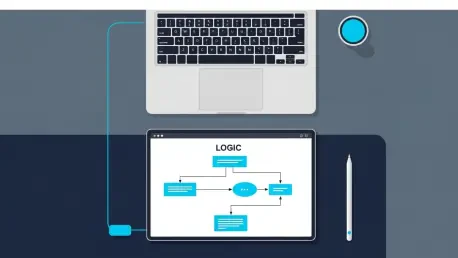
The emergence of sophisticated AI agents like Claude Code and GitHub Copilot has fundamentally altered the cadence of software development, enabling a phenomenon often described as vibe coding. This approach allows developers to move from concept to execution with unprecedented velocity, yet this

Redefining Business Intelligence through Modular Architectures The traditional reliance on monolithic software architectures has reached a breaking point as global enterprises realize that rigid systems cannot keep pace with the exponential growth of machine learning capabilities. This article

The rapid integration of sophisticated artificial intelligence into database management has fundamentally shifted the technological landscape, creating a scenario where the speed of execution often outpaces the clarity of human oversight. While current automated tools and Large Language Models have